
Retour au sommaire
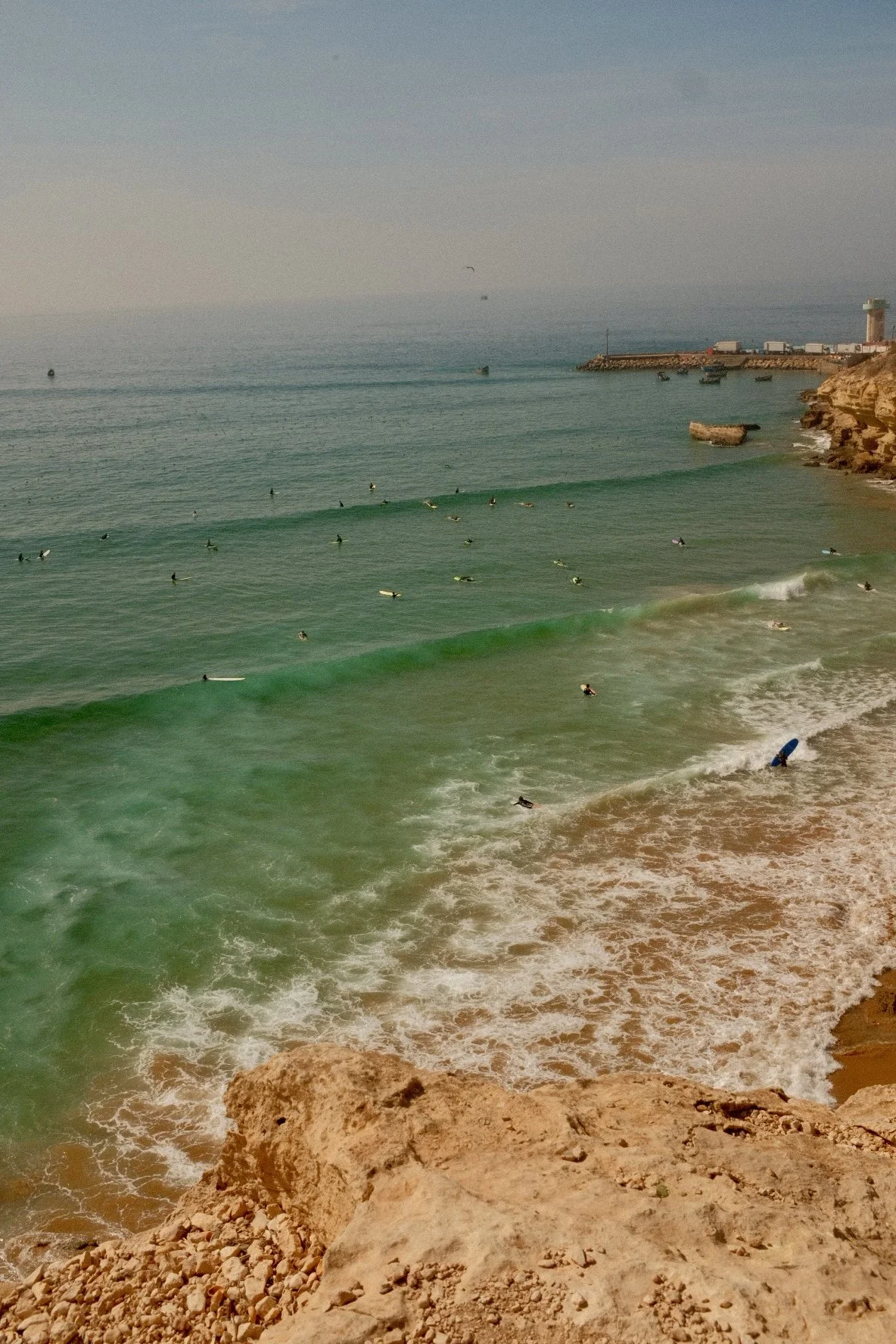
Bonus – Surf Camps & Glossary
Whether in Spain, Portugal, or Morocco, I recommend the various surf camps I discovered during my trip. Here’s a brief overview of the benefits of attending a surf camp to learn how to surf or improve your skills. I’ll also explain some key concepts in the world of surfing (types of waves, types of boards, conditions).
Often seen as a lifestyle rather than just a sport, surfing offers unique gliding sensations while also bringing its share of frustrations when faced with the unpredictability of nature. Spending several days in a surf camp is an excellent way to dive in and fully experience it. While winter conditions are generally harsher (water and air temperature, stronger swells), the other three seasons are ideal for learning to surf.
But surfing isn’t just about getting to your feet on a board: from reading waves to paddling techniques, certified and passionate instructors provide solid fundamentals in a safe environment. On-site, a surf camp provides all the equipment needed to improve and build confidence: stable foam boards, comfortable wetsuits suited to the water temperature, as well as a selection of surf spots depending on conditions and skill levels.
With one or two sessions per day, progress quickly becomes visible. Out of the water, one of the key advantages of a surf camp is the collective experience. There’s nothing more rewarding than sharing your first waves while laughing about your first wipeouts. A temporary community forms, often around shared meals and other complementary activities such as yoga. And of course, it’s always possible to explore the surroundings by motorcycle between surf sessions!
© Sébastien Roux
Spain
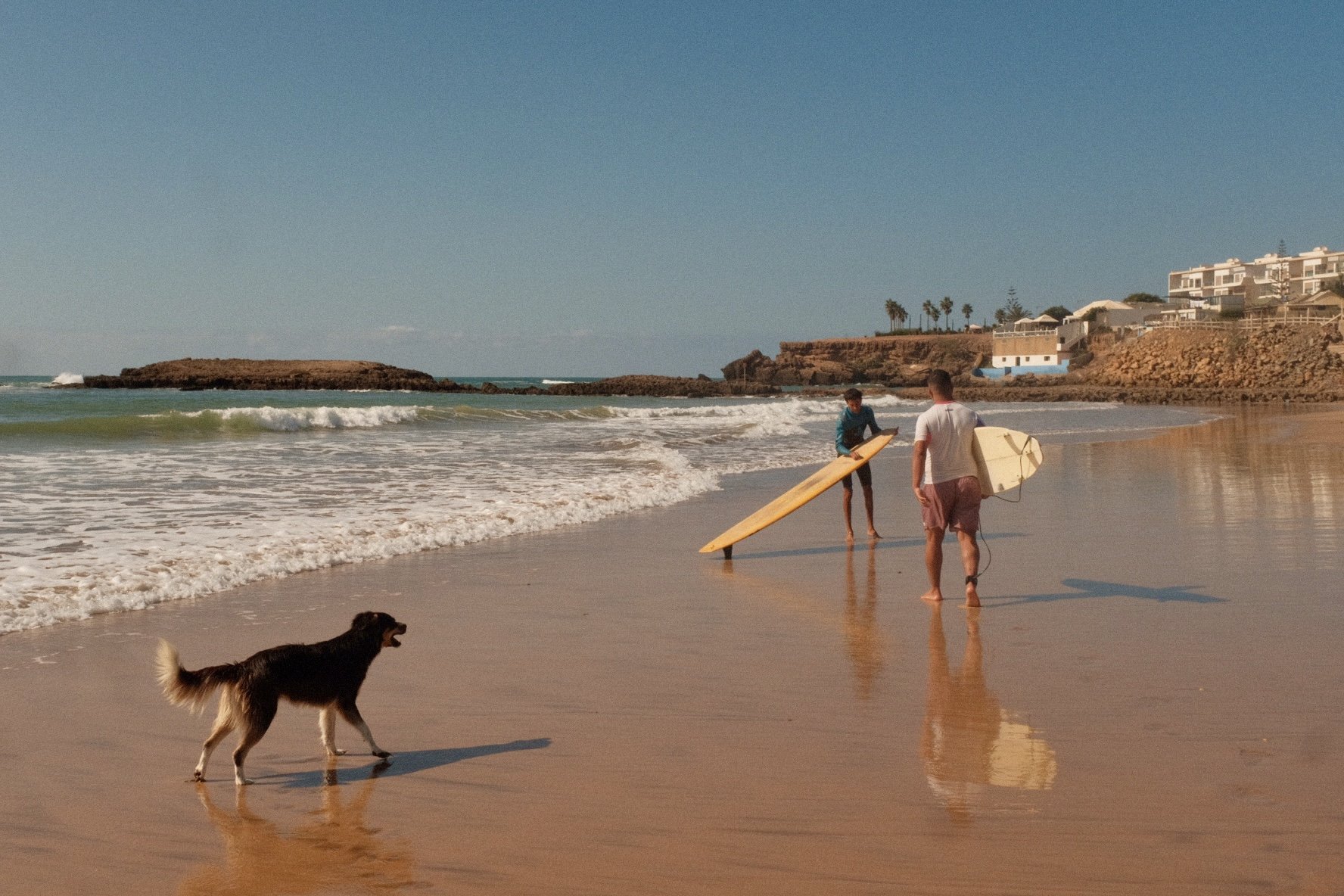
Laga Surf Camp
Ibarrangelu – Basque Country
Dormitory beds in a youth hostel, double and triple rooms in agritourism accommodations. A magnificent stretch of the Guipúzcoa coastline with its Basque villages. Delicious local gastronomy.
+34 6 67 73 73 97 - lagasurfcamp.com
@ Sébastien Roux
© Sébastien Roux
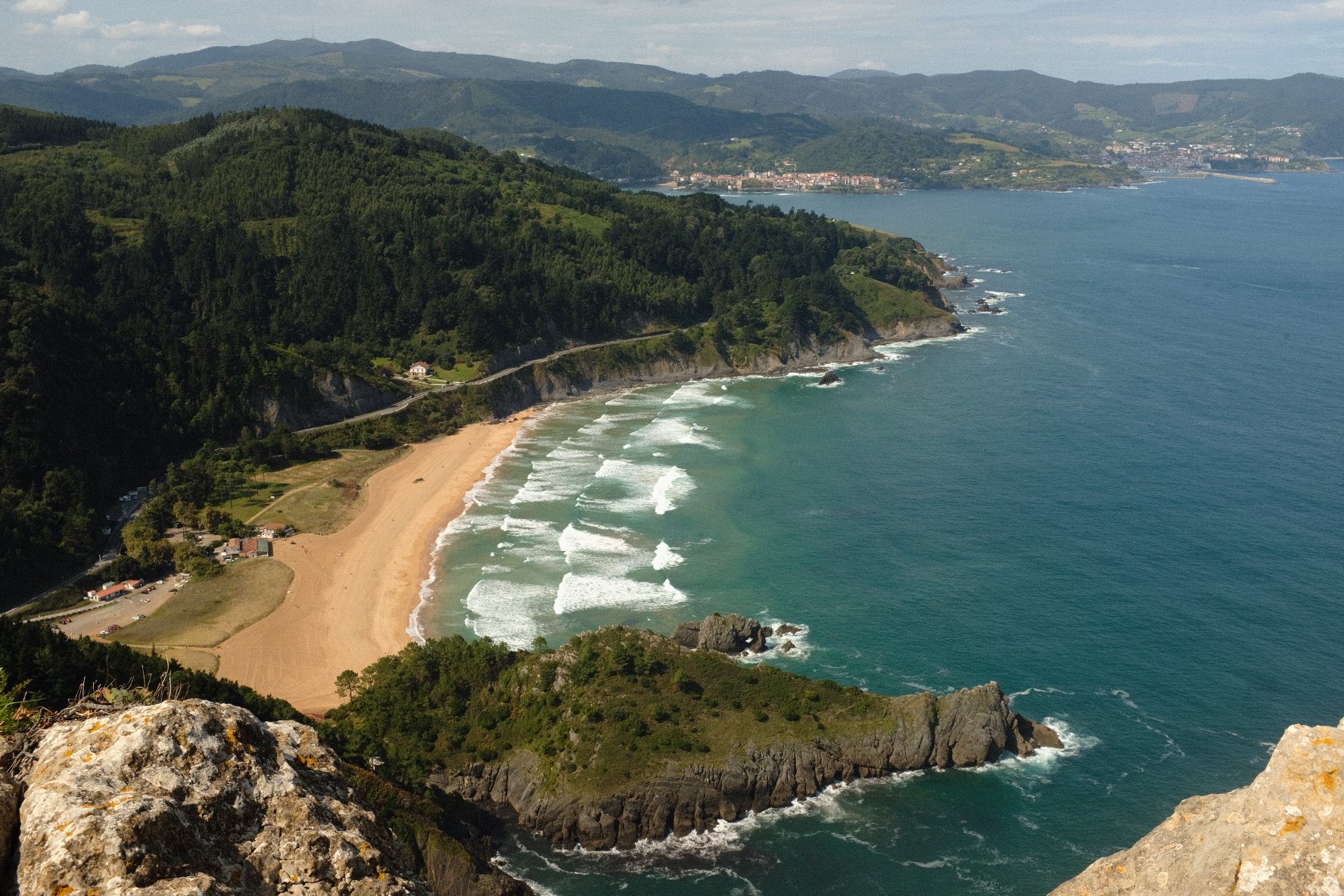
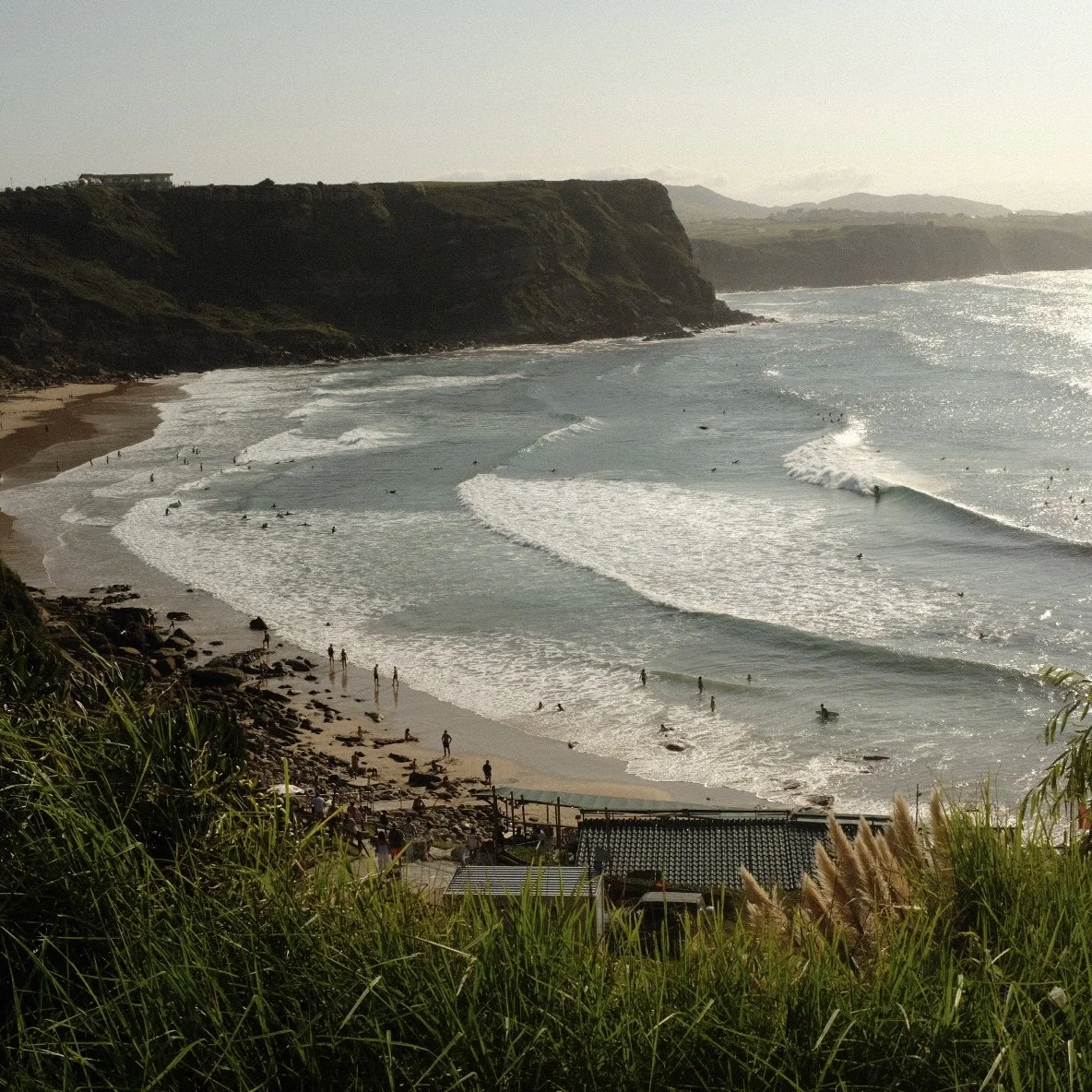
Bio Surf Camp
Suances – Cantabria
A strong connection with nature, sleeping in a bungalow, yurt, or tent. A human-scale setting that encourages interaction. Incredible sunsets from the heights above Los Locos beach.
+34 6 80 20 65 52 - biosurfcamp.com
Seronda Surf House
Llanes – Asturias
All the comfort you need in this recently renovated house. David, the owner, is never short of ideas or anecdotes for a successful stay. Possibility of visiting the Picos de Europa in a day.
+34 6 23 53 95 43 - serondasurfhouse.com
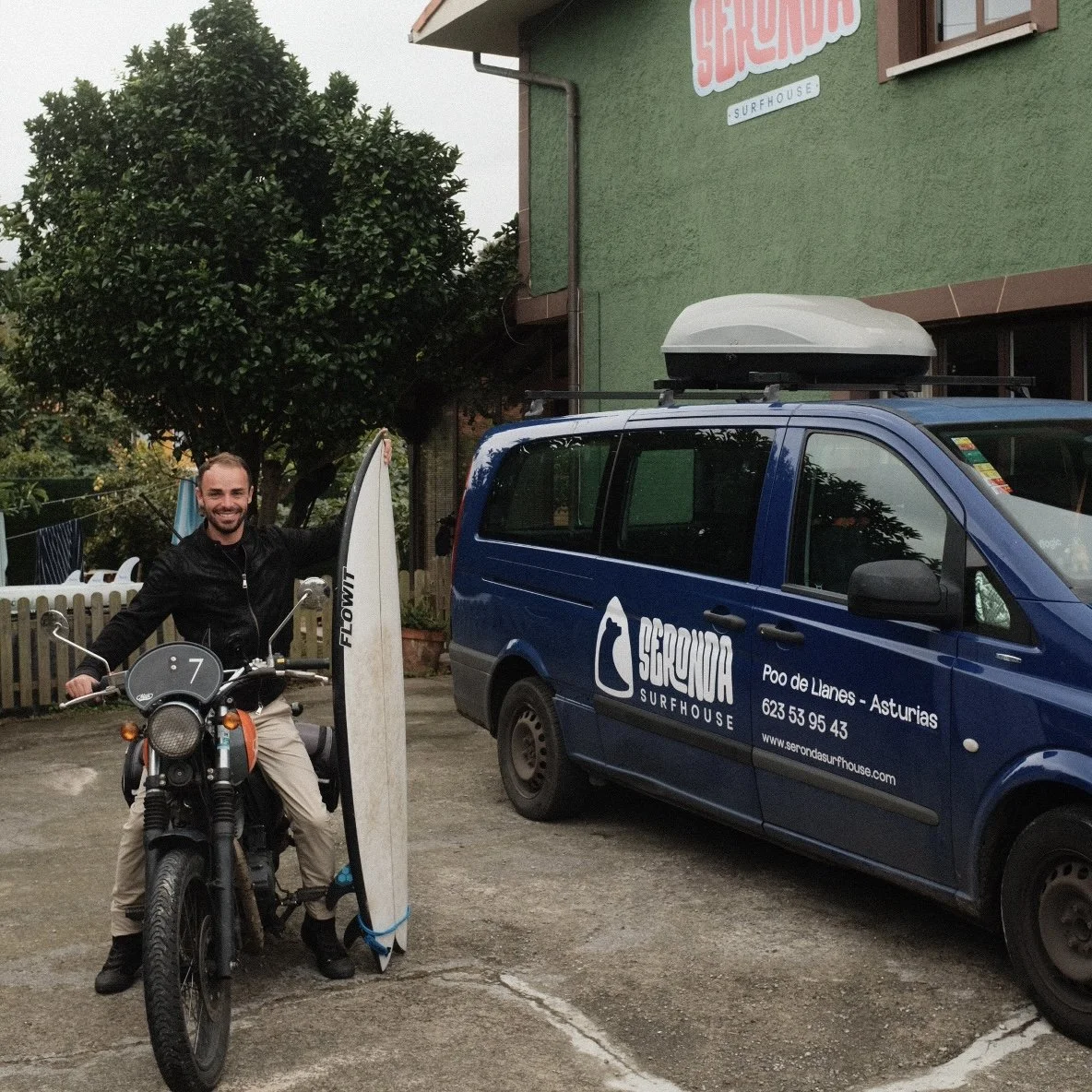
© Sébastien Roux
Portugal
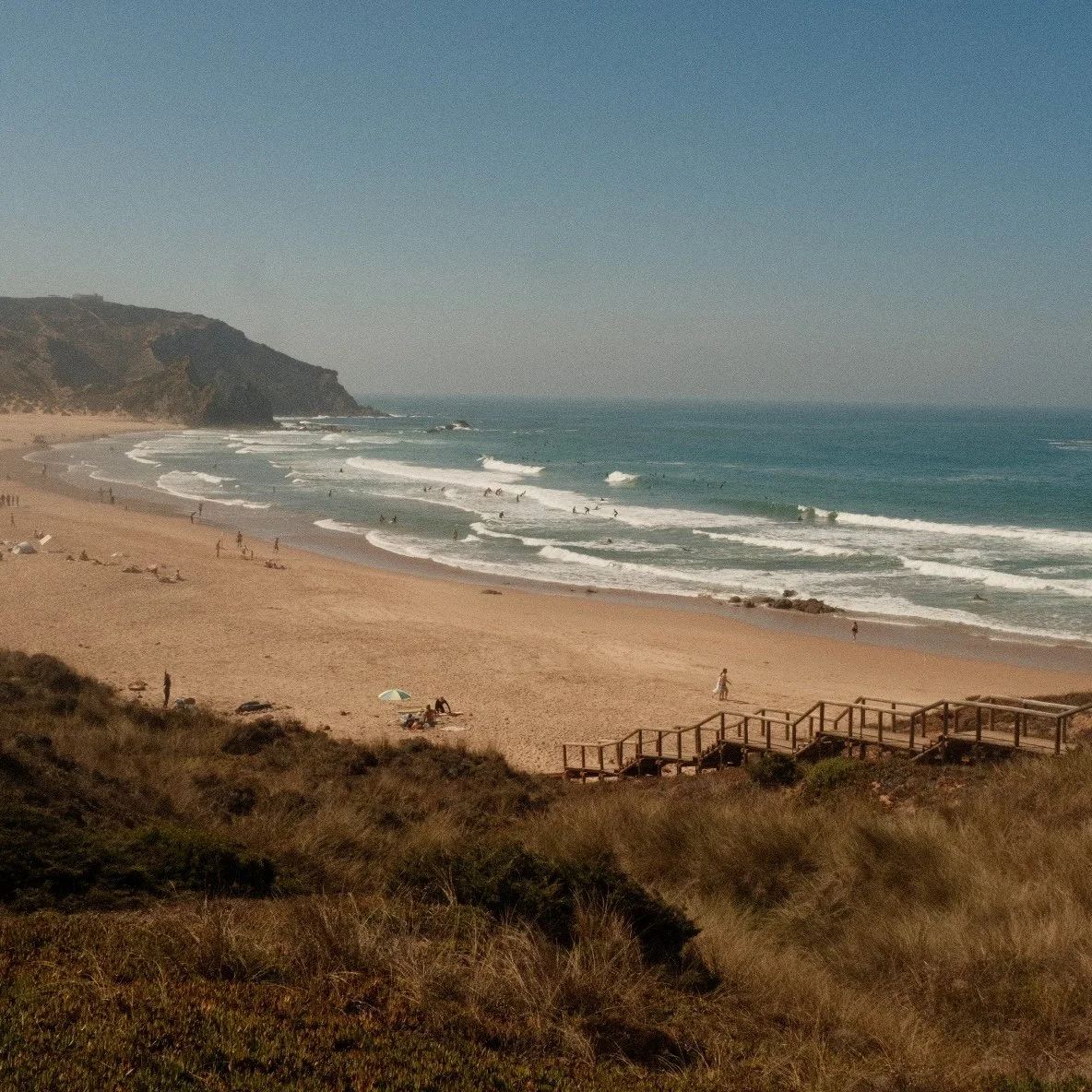
Amado Surf Camp
Carrapateira – Algarve
Juan, the owner, offers many accommodation options. Ideal after crossing Portugal from north to south via the Nacional 2 by motorcycle.
+351 927 831 568 - amadosurfcamp.com
Maroc
Easy Going
Imsouane - Souss-Massa
A fishing village that has become a must-visit spot for surfers, with two breaks accessible to all levels. Dormitories and private rooms available. Delicious local dishes and additional activities.
+212 611 204 525 - easygoingmorocco.com
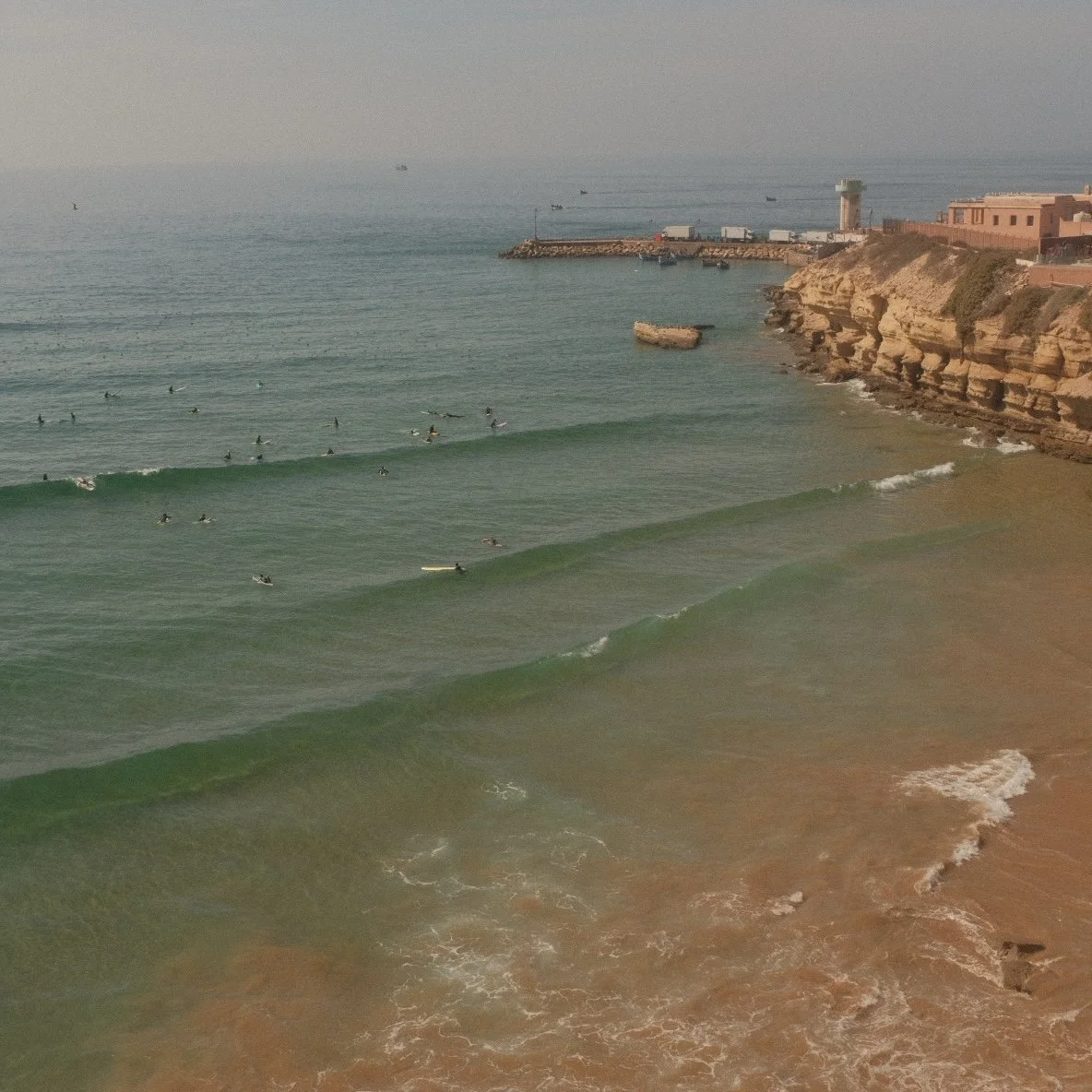
© Sébastien Roux
GLOSSARY
Unlike motorcyclists attached to a single bike, surfers enjoy switching between different boards. Above all, it’s the conditions that determine which board to take into the water.
While beginners start with a large soft board made of polystyrene for added safety and buoyancy, experienced surfers gradually reduce board size by opting for a shortboard and choosing different materials for greater responsiveness and maneuverability. They may also ride a longboard, as other factors come into play depending on the desired style and comfort level on different types of waves. To avoid slipping, surfers apply wax, a non-slip coating, to their boards.
While surfers can be a knockout when too powerful, “rights” are waves whose lip—the point where the wave breaks—peels to the right. Generally, regular surfers (right foot as the back foot) prefer right-hand waves, while goofy surfers (left foot as the back foot) prefer lefts.
Like sailors, surfers analyze conditions before heading into the water. Forecasts provide information on swell direction and period—the interval between wave sets. The seabed then plays a role in shaping the waves, creating either soft waves (ideal for beginners) or hollow waves (more powerful, capable of forming barrels when large enough).
Watch out for the wind, especially when it blows from the sea (onshore), as it creates choppy, messy conditions. Finally, surfers pay close attention to tides. Under the gravitational pull of the moon, tides rise and fall twice a day. Some surf spots only work at specific tide levels.
Sébastien Roux
Cover photo © Sébastien Roux
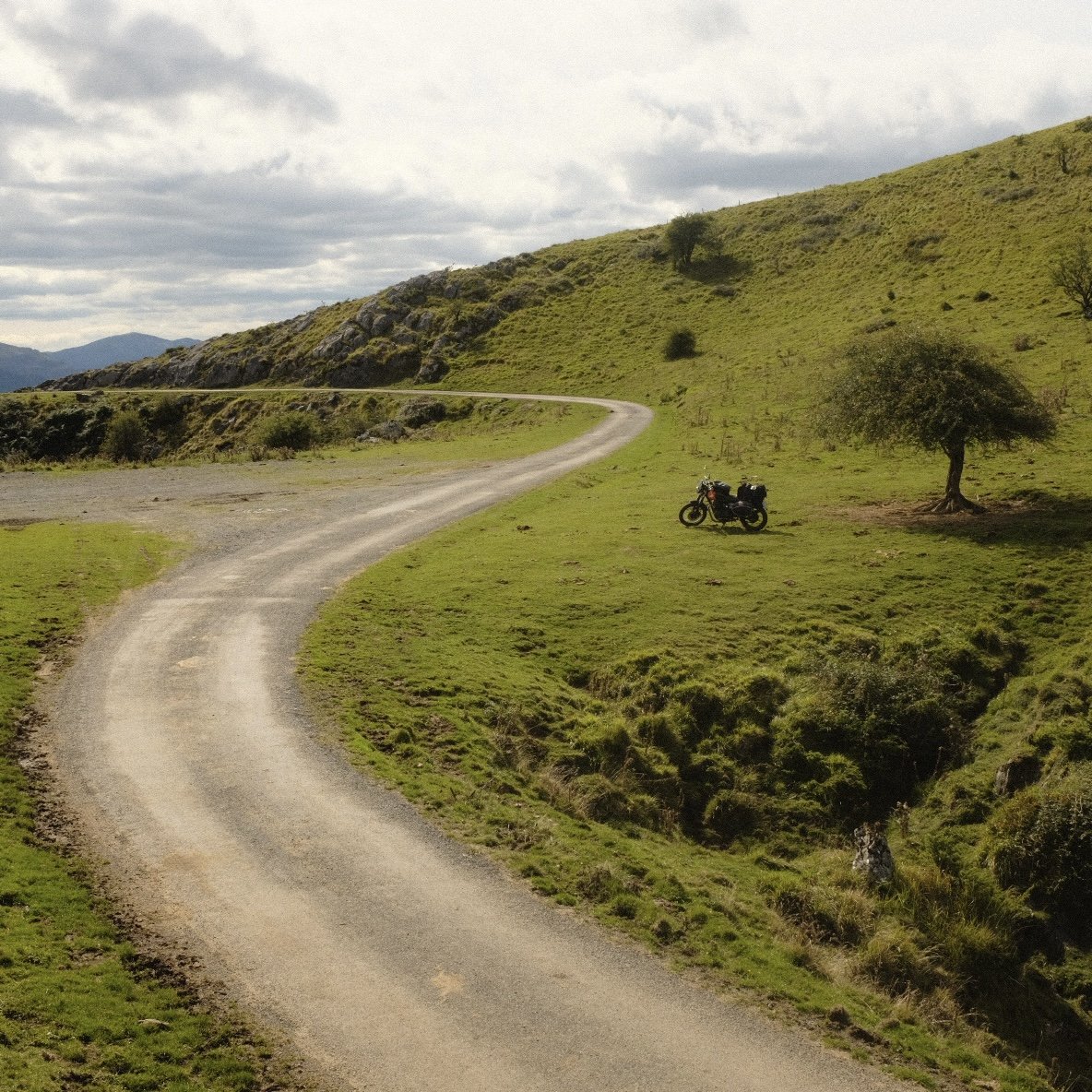
Episode 1 - From the Alps to the Basque Country
Episode 2 - Spanish Waves & Peaks of Europe
Episode 3 - Portuguese Waves & Saudade
Episode 4 - Moroccan Waves & Djebel Toubkal

This travel journal was published in issues 90 and 91 of Road Trip