
Back to summary
Ep 2 - From Puerto Plata to Punta Rucia
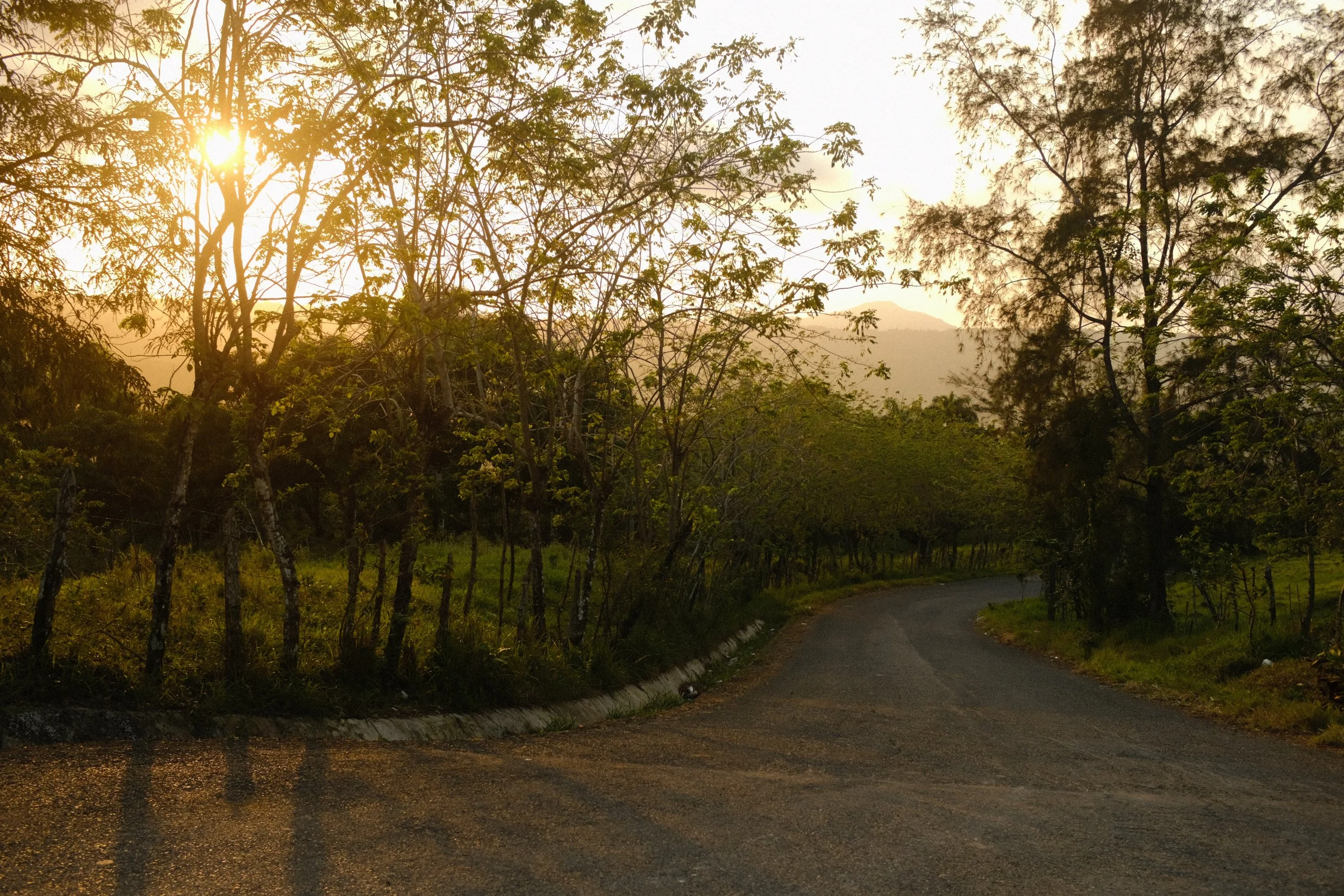
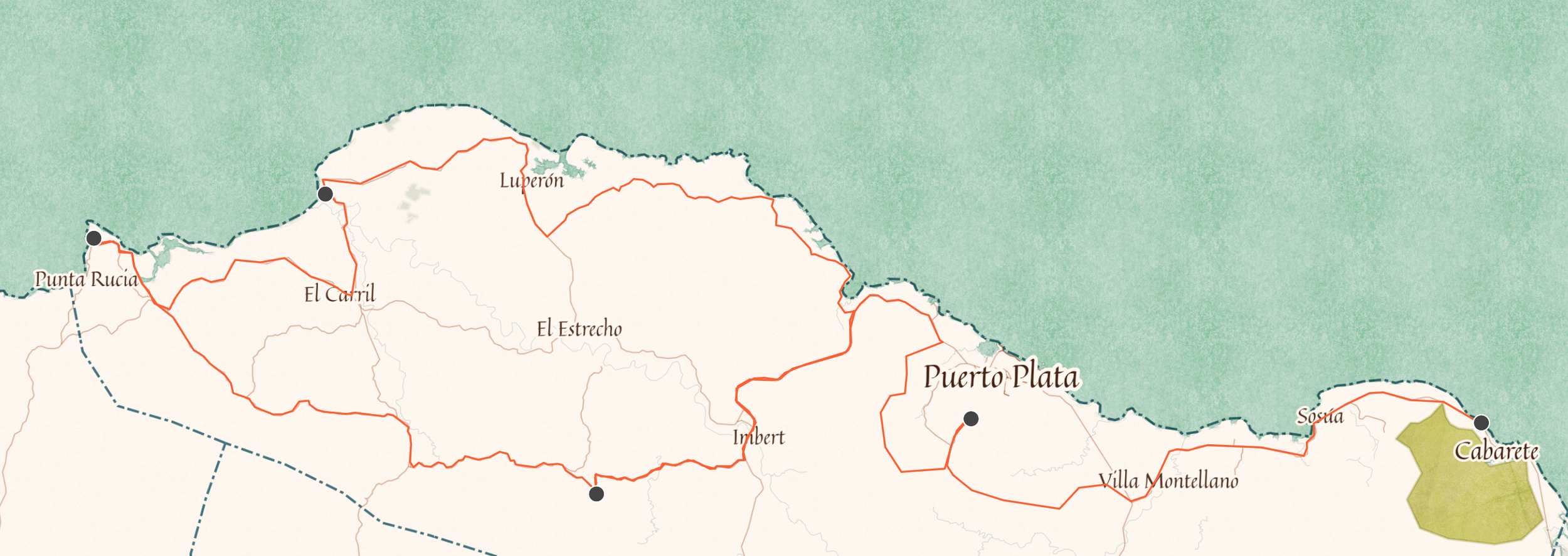
From Cabarete, I head west towards Haiti. I would have liked to cross the border, but the situation in the country has prompted me to stay in the Dominican Republic. I plan to visit the hills of Puerto Plata before trying out some tourist activities. I will then venture off the beaten track, following the coastline to several idyllic beaches as far as Punta Rucia.
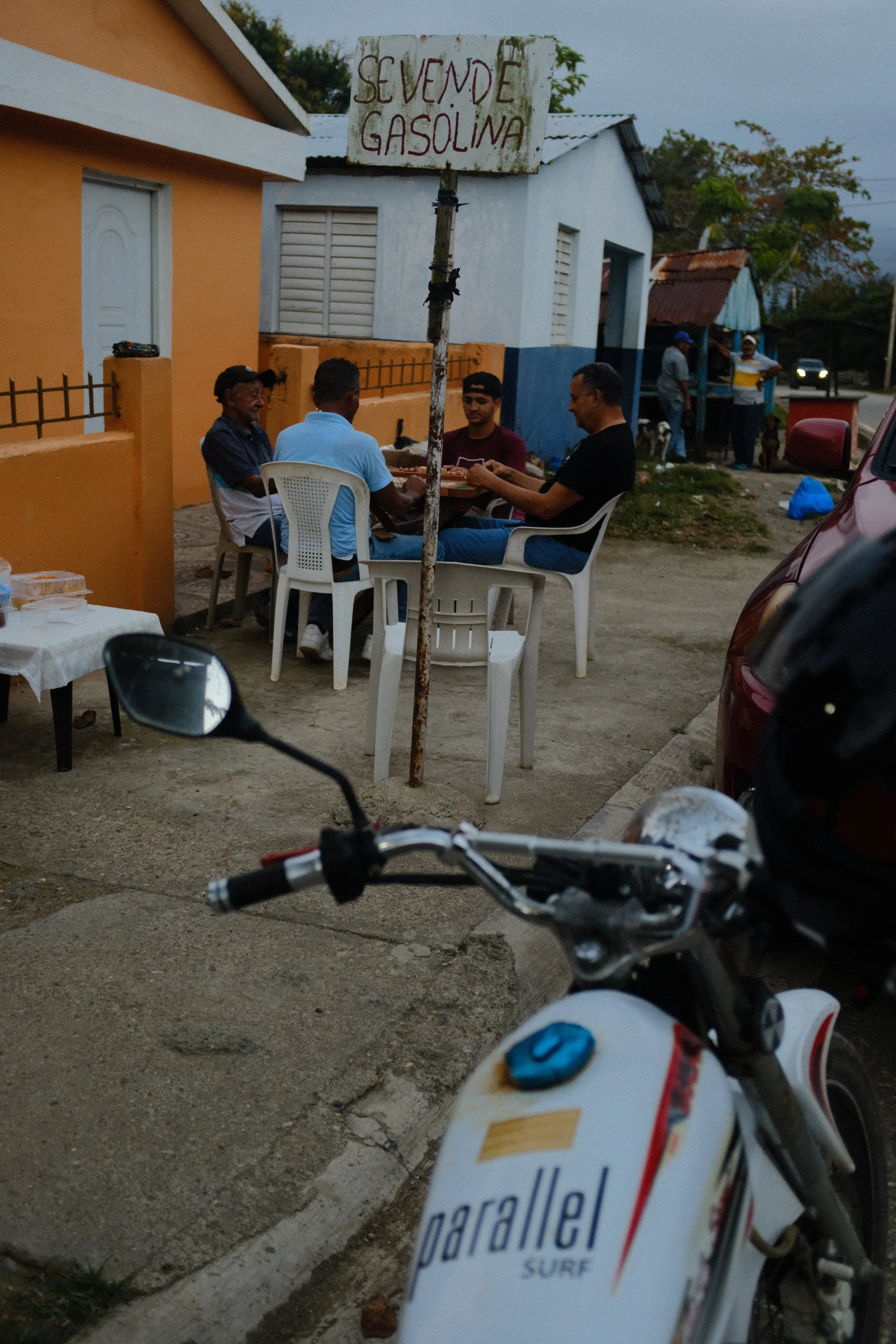
I’m making an hour-long trip from Encuentro to Cupey. Traffic is smooth as I leave the main road and begin the climb toward the village. Since I didn’t fill up before leaving, I’m not sure if I’ll have enough gas to reach the city of Puerto Plata. Fortunately, I spot a small sign on the side of the road reading “Se vende gasolina.”
As is common in many Latin American countries, the gas is stored in large beer bottles. For 200 Dominican pesos (€3), I get 3 liters of fuel—quite a deal, considering that gas at a regular station costs 75 pesos (€1.1) per liter. Next to the small stand, four Dominicans have set up a table to play dominoes, a widely beloved game in the country.
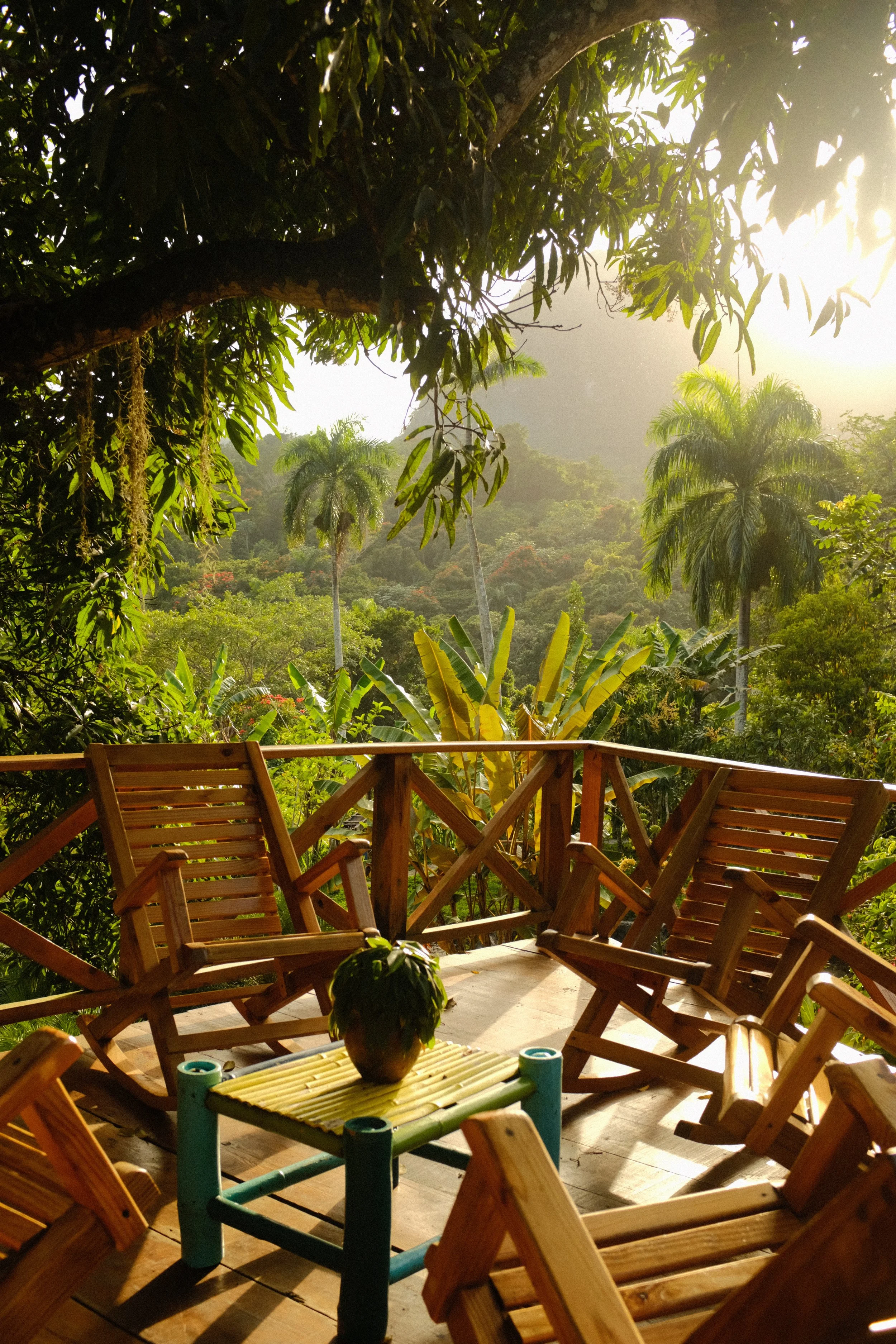
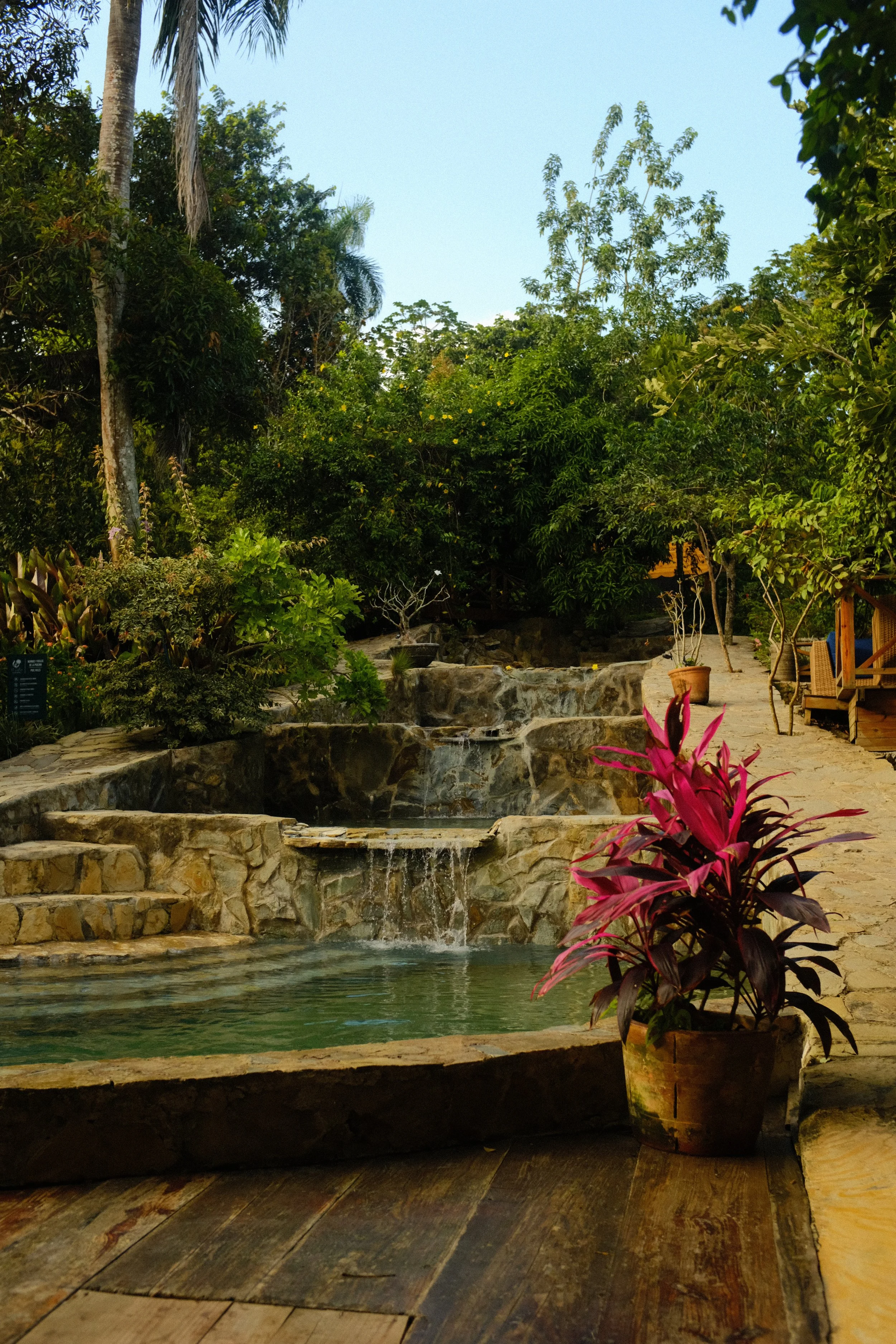
I’ve booked a night at El Gallo Ecolodge, a lodge built in the heart of nature. The final stretch is a bumpy dirt track. I arrive at a place made up of several wooden houses surrounded by lush vegetation. A botanical garden and several stacked pools forming a cascade system complete the space. El Gallo Ecolodge promotes sustainable, small-scale tourism in collaboration with the local community. I chose this place mainly for its location. Just 10 minutes by road from Isabel de Torres National Park, I planned to go admire the sunset there.
A few years ago, I reached the summit—about 800 meters above sea level—by taking a cable car from Puerto Plata. This time, I intend to get there on my motorcycle. I’ve been warned: the last stretch of the climb is steep, and you need reliable brakes for the descent.
Although the road is fully paved, the gradient is significant. 6:05 p.m.: I arrive in front of a large gate blocking access to the park. A guard stationed a few meters away explains that the park closes at 6 p.m. and that I’ll have to return the next day starting at 7:30 a.m. No room for negotiation. The descent is nerve-wracking, fully aware that my brakes are far from the most efficient on the market.
© Sébastien Roux
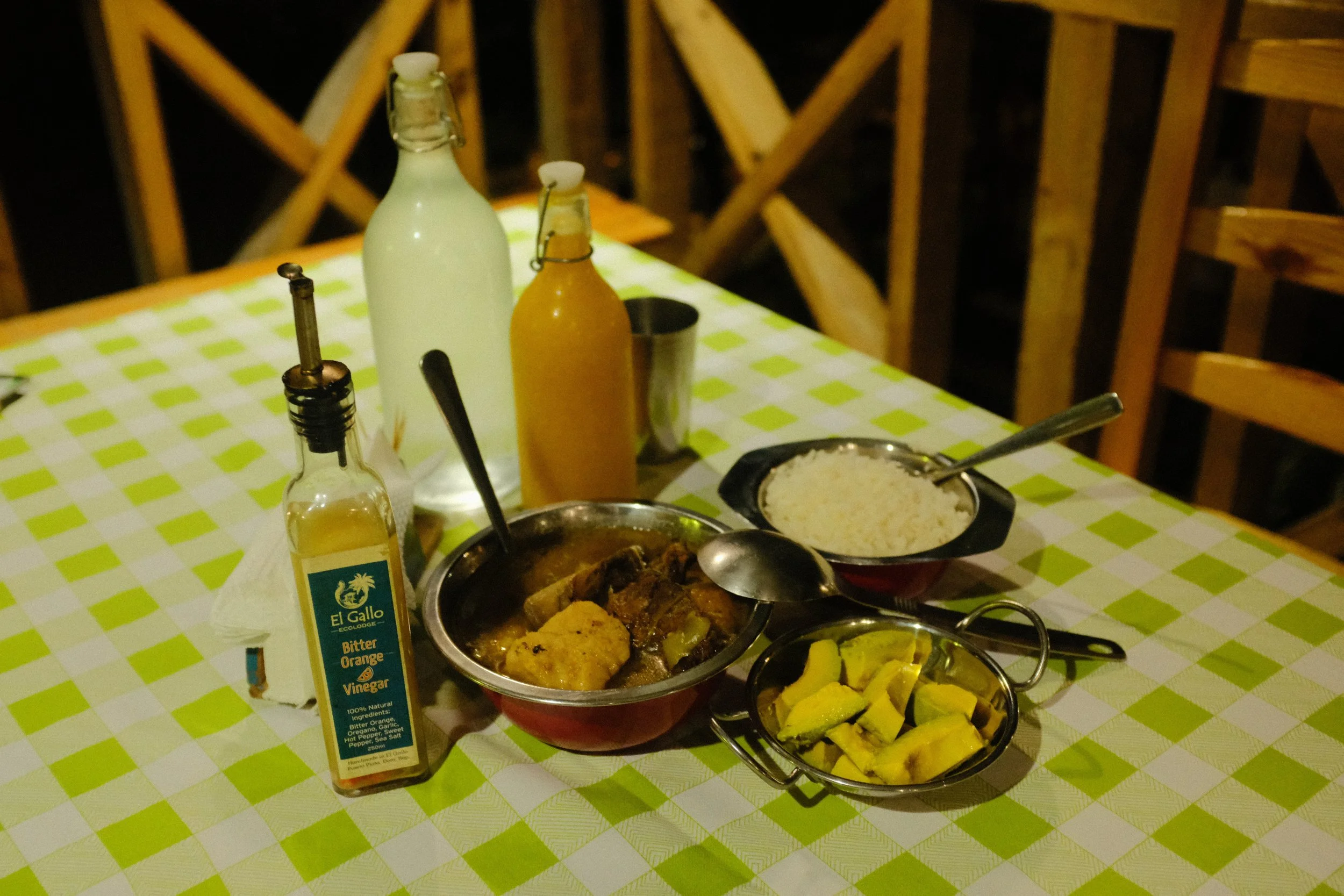
As consolation, I enjoy a sancocho at the ecolodge, one of the Dominican Republic’s traditional dishes. Sancocho is a soup usually served for special occasions (family gatherings, celebrations). It’s more like a thick and flavorful stew made with several types of meat and tropical vegetables (cassava, yam, corn, plantain), seasoned with various spices and served with white rice. I’m told that every Dominican family has its own recipe. Its origins date back to colonial times, influenced by Spanish, African, and Taíno culinary traditions. For Dominicans, sancocho is more than just a dish: it’s a symbol of sharing, cultural identity, and togetherness.
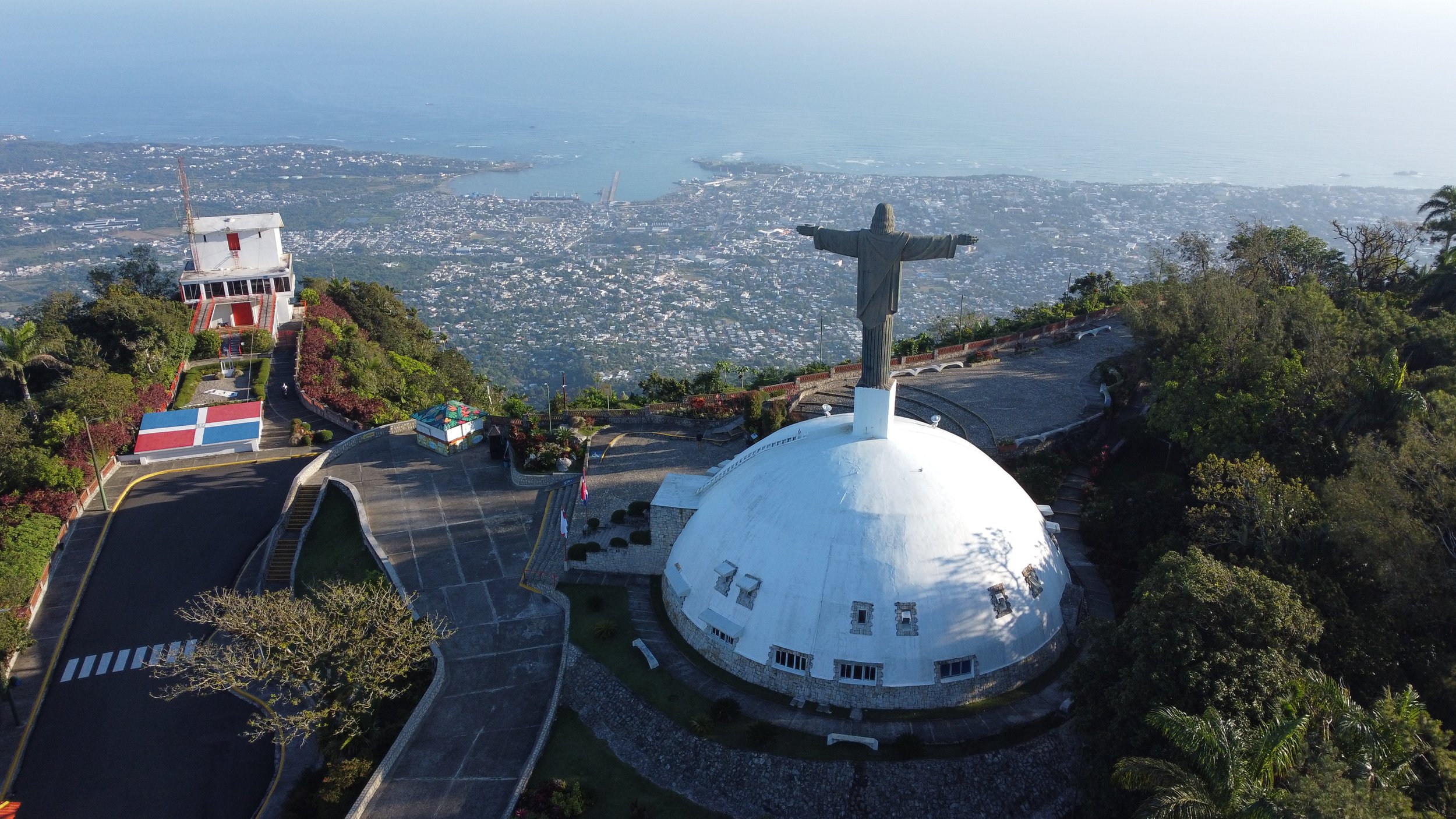
The next morning, I wake up at dawn to admire the first light of day. I head toward the entrance of Isabel de Torres National Park to try my luck again. 7:45 a.m., the gate is still closed. I decide to take out my drone to fly over the area since I can’t access it. I barely have time to get ready for takeoff before a soldier armed with a shotgun arrives.
He tells me the park is about to open but that I’m not allowed to fly over the zone. I mention my upcoming article for a French magazine. That sentence alone earns me 10 minutes of flight time, long enough to photograph the site’s emblematic monument: an imposing statue of Christ the Redeemer, a replica of the one in Rio de Janeiro. The park, named in honor of Queen Isabella of Spain, is known for its biodiversity. Several viewpoints offer spectacular panoramas of Puerto Plata and the Atlantic Ocean.
© Sébastien Roux
Tourism vs. Exploration
My schedule looks packed for the day. From the park, I need to reach the outskirts of the town of Imbert, where I plan to try two tourist activities. Along the way, following a road that sometimes turns into a dirt track, I pass through the village of San Marcos. This allows me to avoid going through downtown Puerto Plata and its possible traffic jams.
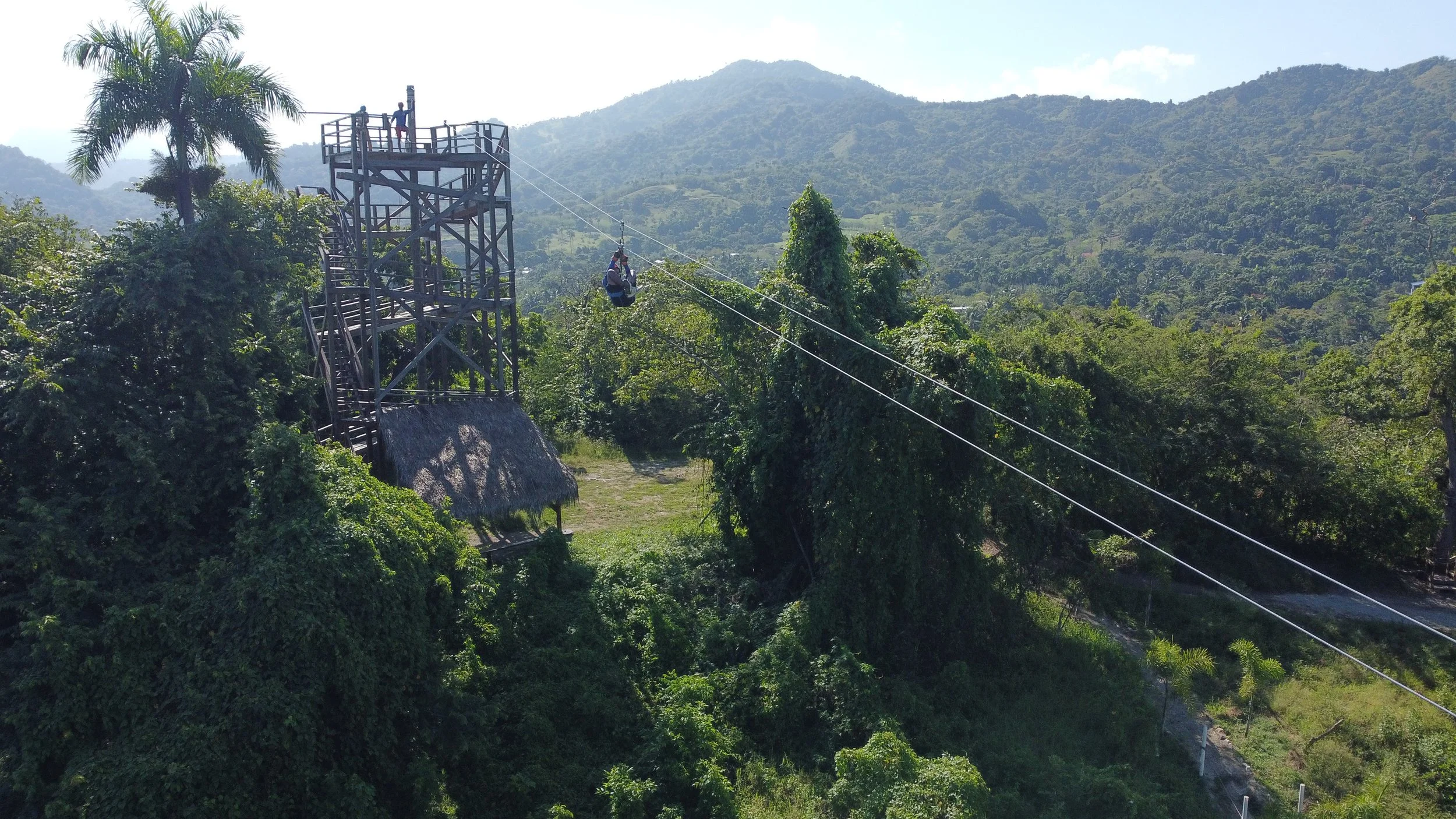
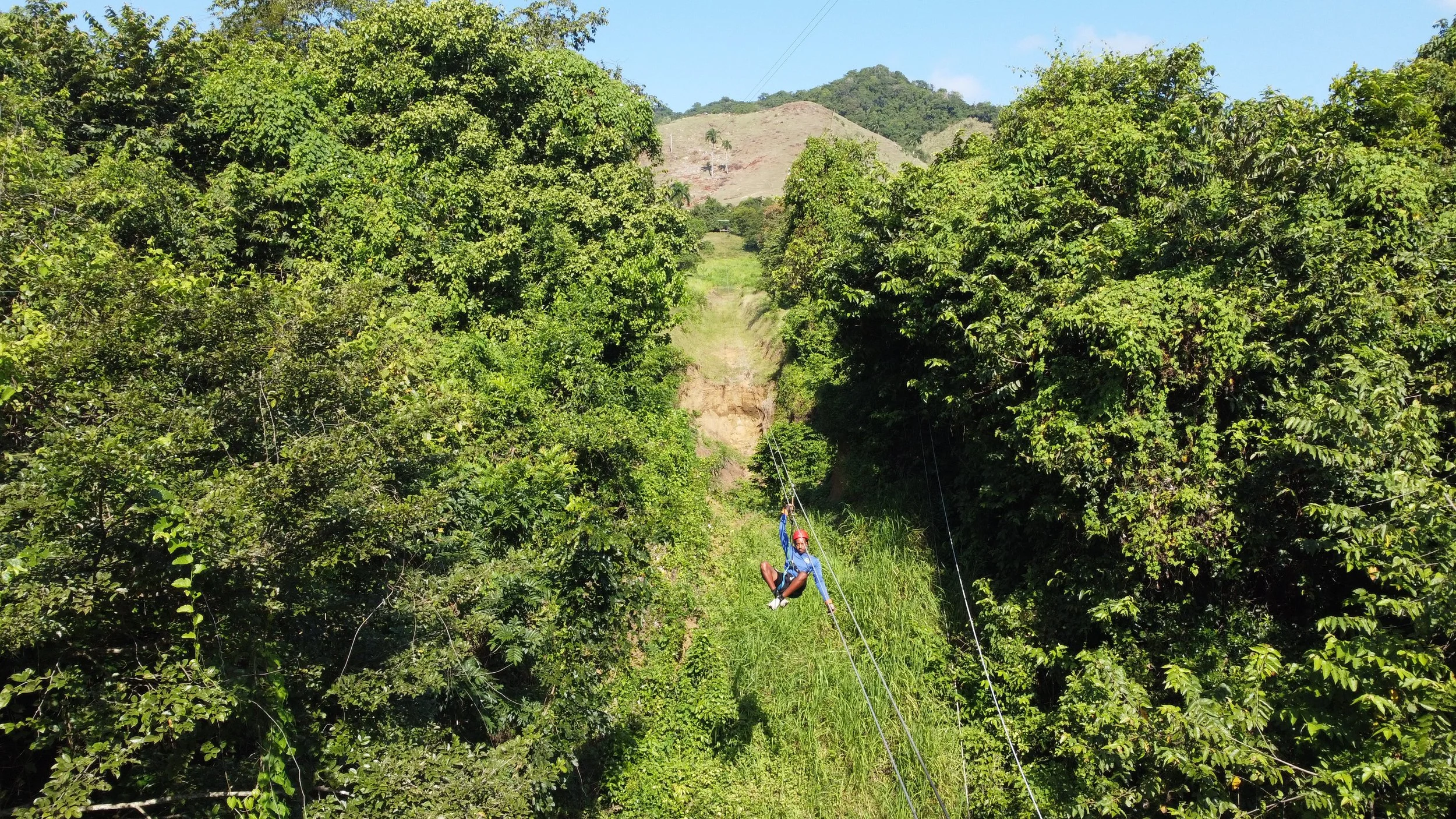
My first stop is Country World Adventure Park. Offering many activities for tourists arriving mostly from cruise ships, the place features eight zip lines that let you leave the ground for a few seconds and glide through the air.
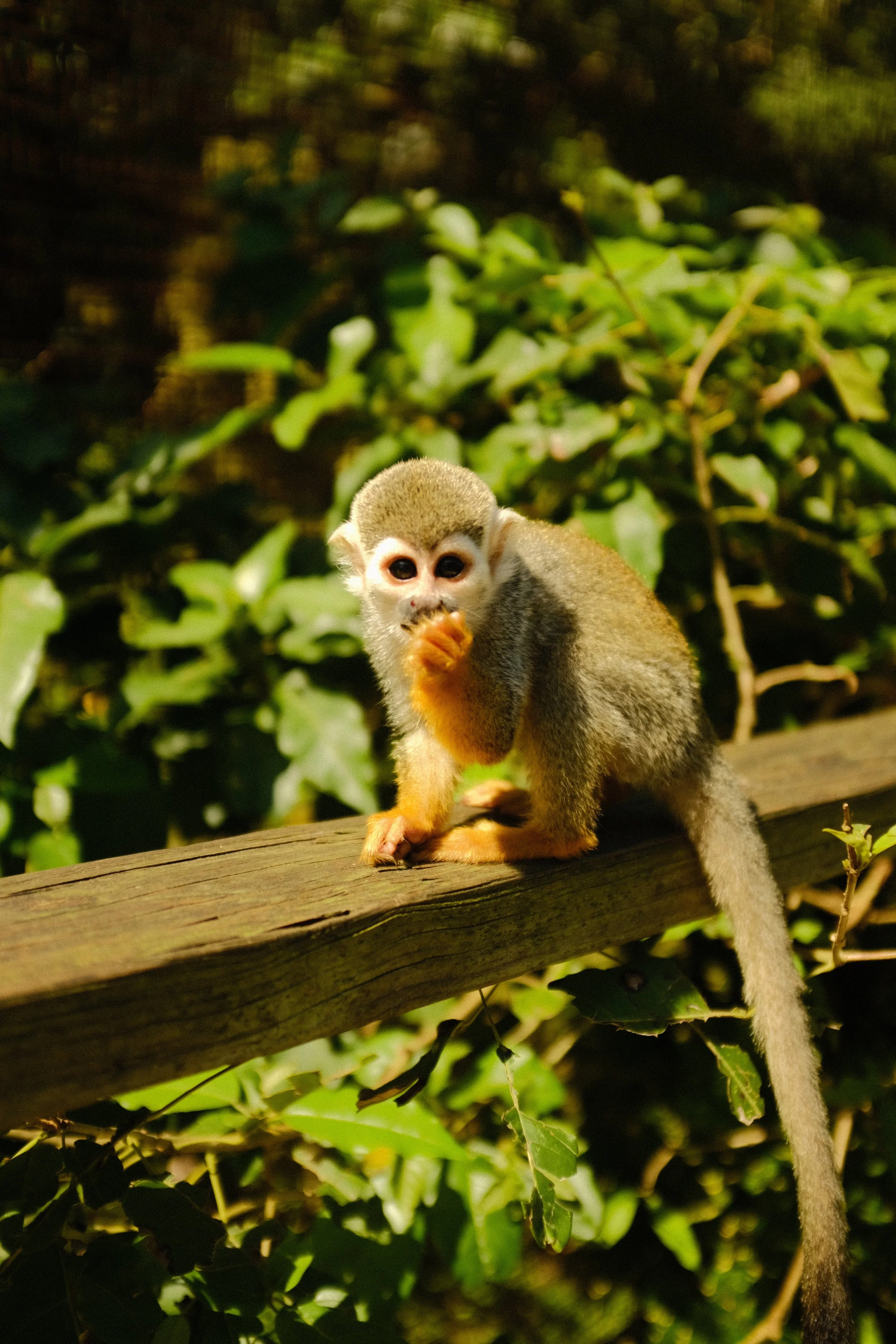
My second stop, Monkeyland, is less than 10 kilometers away. I first visit a traditional Dominican house before tasting coffee, hot chocolate, and even mamajuana, a traditional Dominican liqueur. The remainder of the tour focuses on interacting with small monkeys native to Suriname. Sunflower seeds are distributed one tourist at a time in their hands. The monkeys waste no time climbing onto our arms, bodies, and heads. Some tourists receive a bit of urine on their shoulders. The guide smiles and tells us that it brings good luck—especially when it’s excrement.
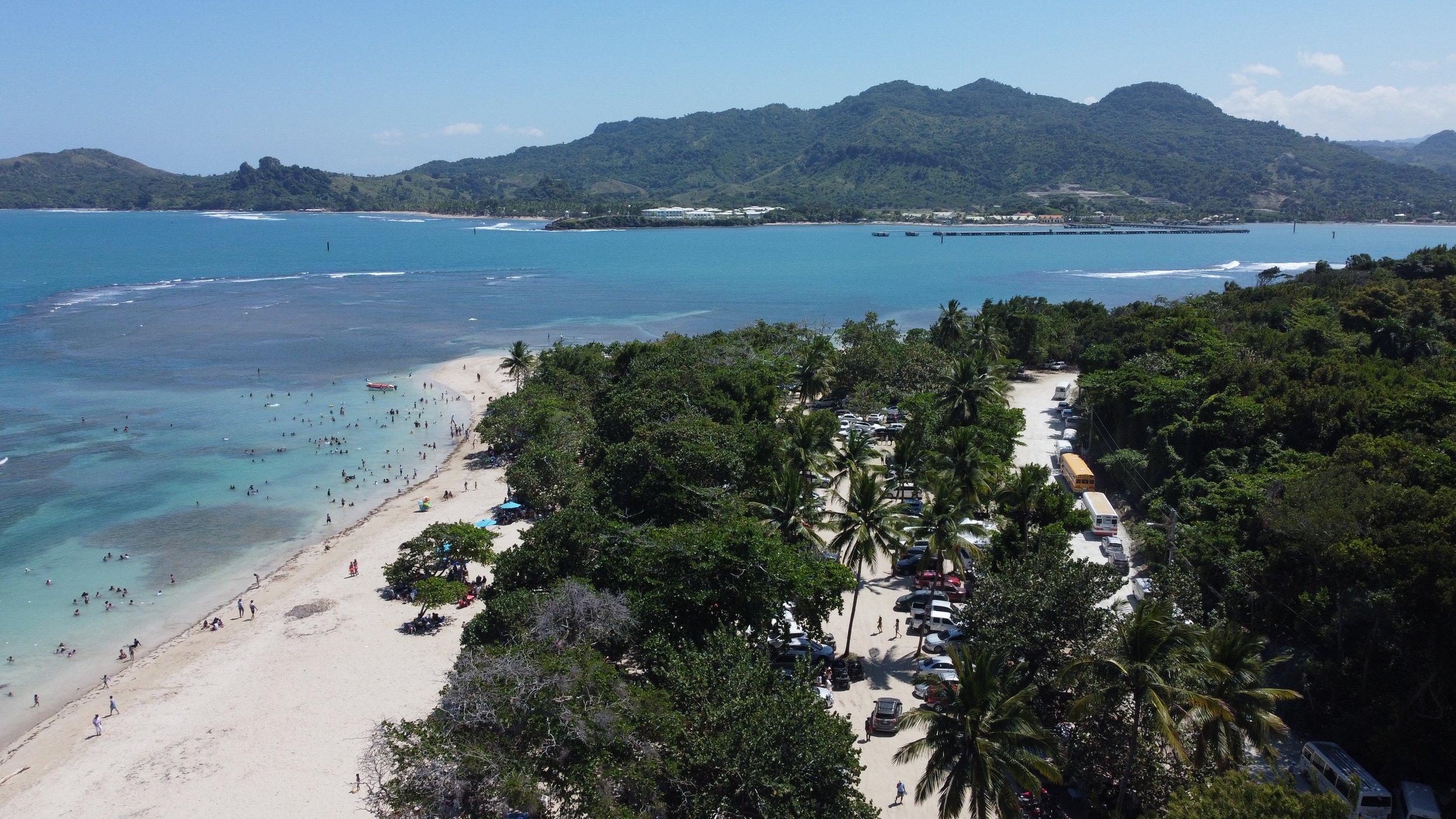
The morning has flown by, and it’s now time to get off the beaten path. I plan to follow the coastline along a track leading to several beaches. The first one is called Playa Teco. This Sunday at noon, it’s filled with Dominicans coming to relax with family or friends. I’m staring at a postcard-perfect scene with white sand and turquoise water.
To my right lies Maimón Bay and the small mountains surrounding Puerto Plata. I have lunch at a small beachfront restaurant, where I eat grilled fish with tostones—fried slices of green plantain. With my stomach full, I’m ready to ride four hours along the track toward Luperon.
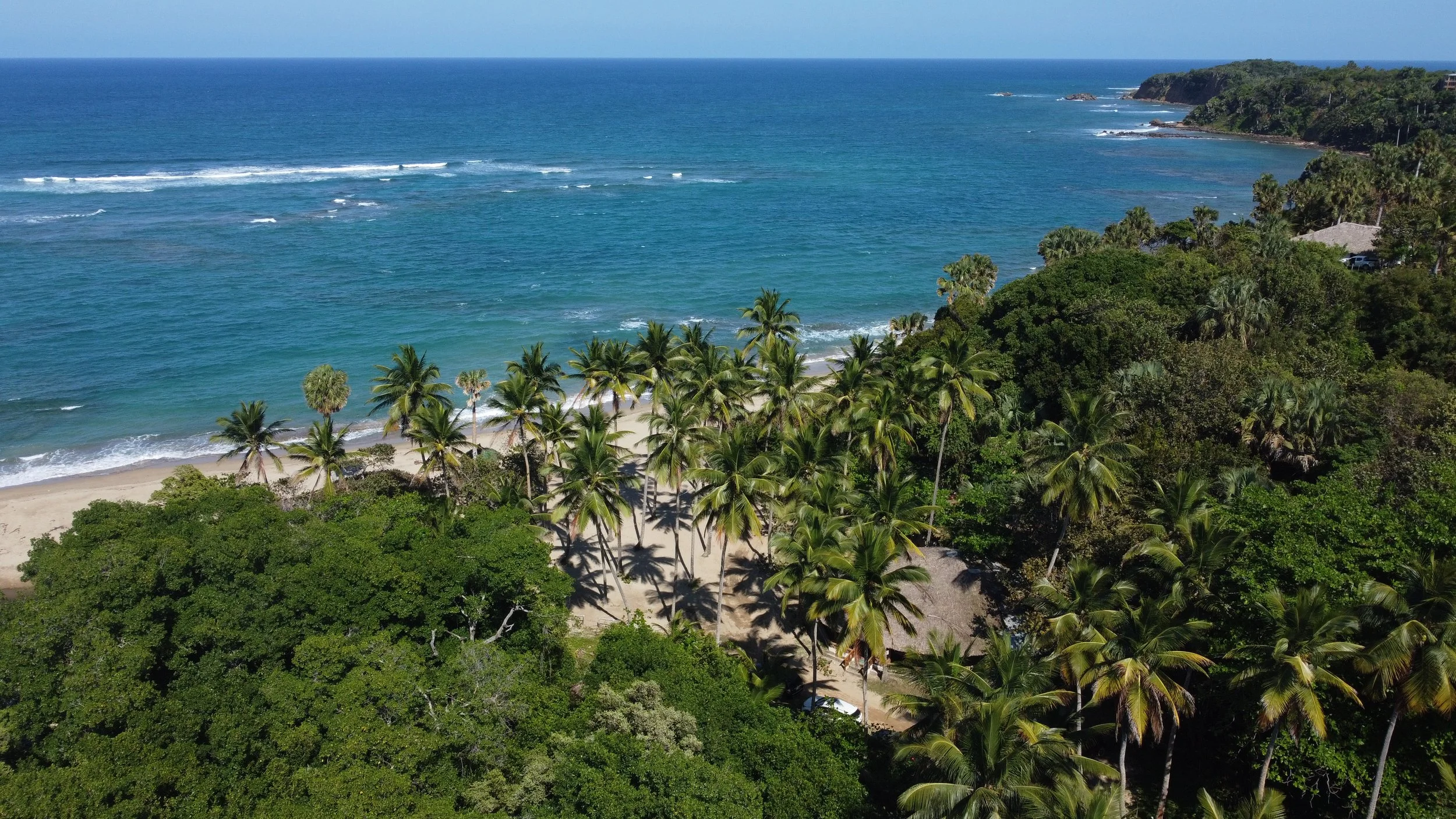
Along the way, I cross a few technical passages such as streams, but nothing difficult, even for my little bike. Despite the heat, a steady wind blows, as it often does in the afternoons in this part of the country. Numerous wind turbines line the route until I reach Playa René, a private beach managed by a bar-restaurant. I take the opportunity to hydrate while admiring the tall coconut trees and the small waves breaking offshore.
I still have one more beach to reach before arriving in Luperon: Playa El Viejo Óscar. This beach is known for its natural beauty and peaceful atmosphere. Far from mainstream tourist circuits, it offers an authentic setting that suits me perfectly.
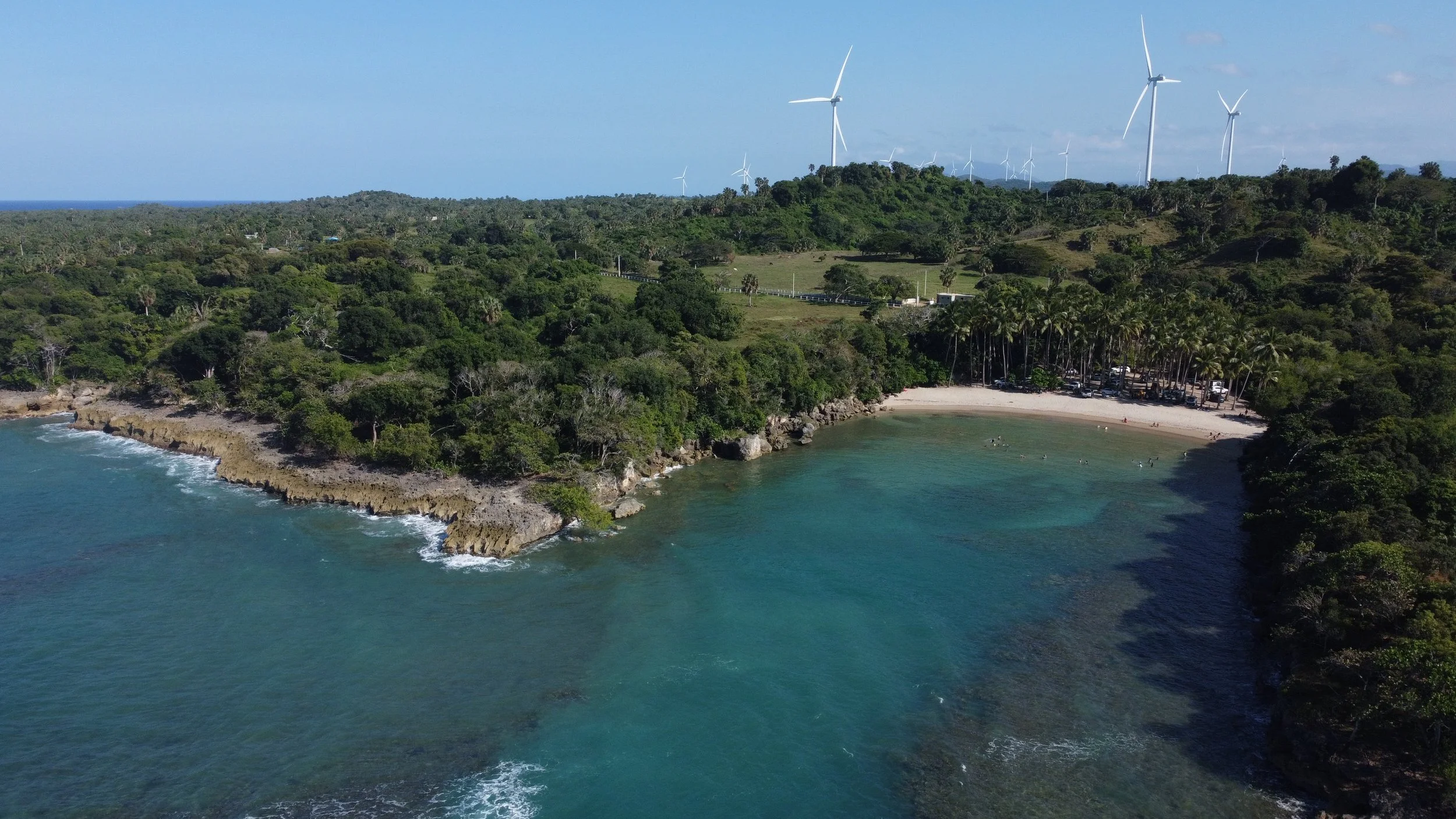
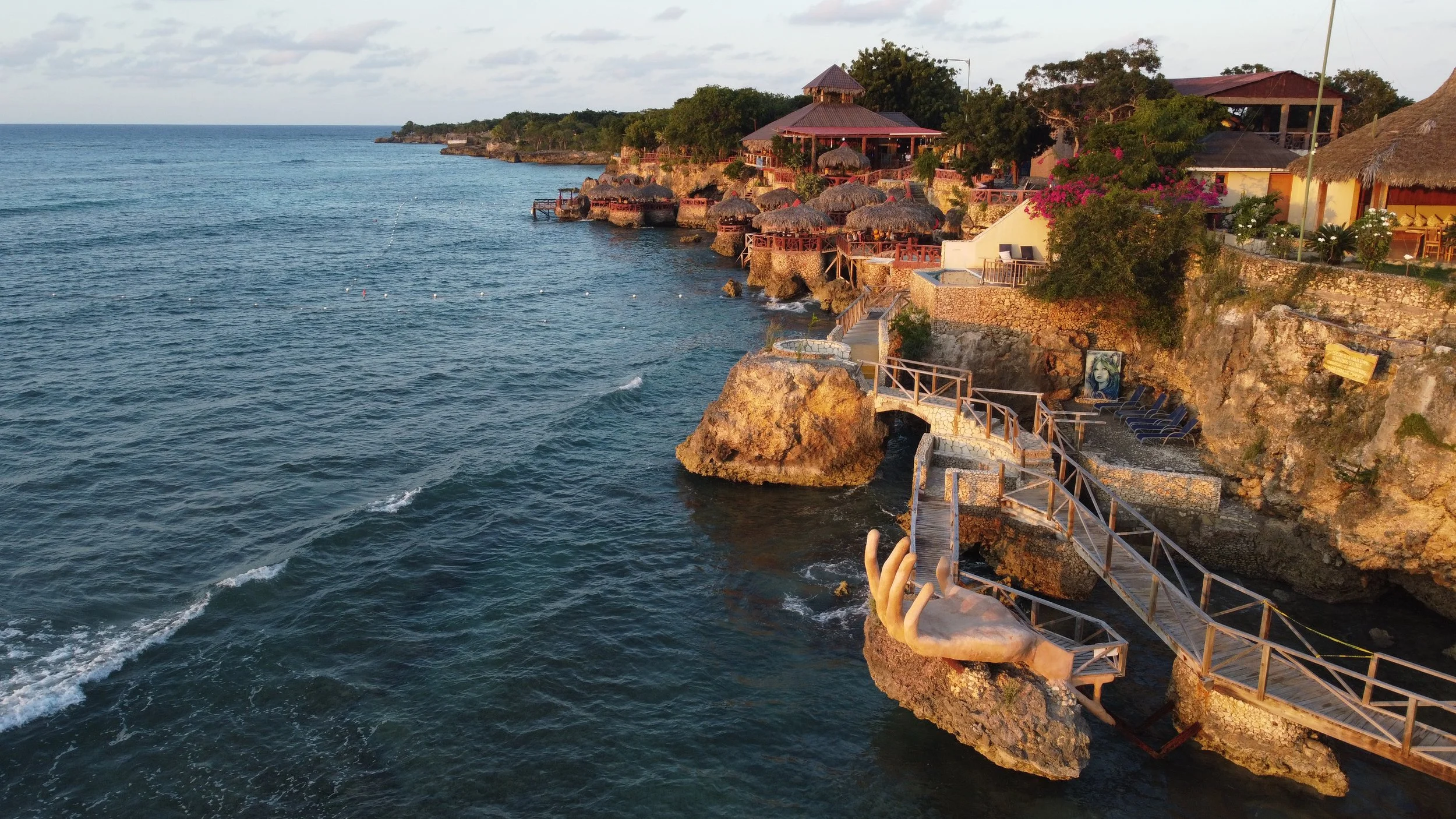
I return to the paved road upon reaching Luperon, a small port town known for its naturally protected bay, a favorite refuge for sailors. I continue toward La Isabela. This time, I’m determined to watch the sunset. I was told to go to Fricolandia, a private seafront spot built atop rocks with direct access to a fine sandy beach.
Fricolandia has all the comfort visitors need to relax—and especially to consume—throughout the day. A place Instagram lovers will adore, while adventurous backpackers will prefer to avoid it.
In the evening, I try another traditional dish: mofongo. Made from fried green plantains mashed with garlic and oil, it’s often topped with chicharrón (fried pork skin) to form a thick, flavorful paste. A hearty, fragrant, and comforting dish. I end the evening reading a few pages of a book written by a Dominican-American author who found success in the United States: This Is How You Lose Her by Junot Díaz.
© Sébastien Roux
A Bit of History and a Mishap
To start the next day, I head to the Templo de Las Américas. This memorial temple holds special significance: the first Catholic mass on the American continent was celebrated right here in 1443 after the founding of La Isabela by Christopher Columbus. The current building was constructed in 1994 on the ruins of the original structure.
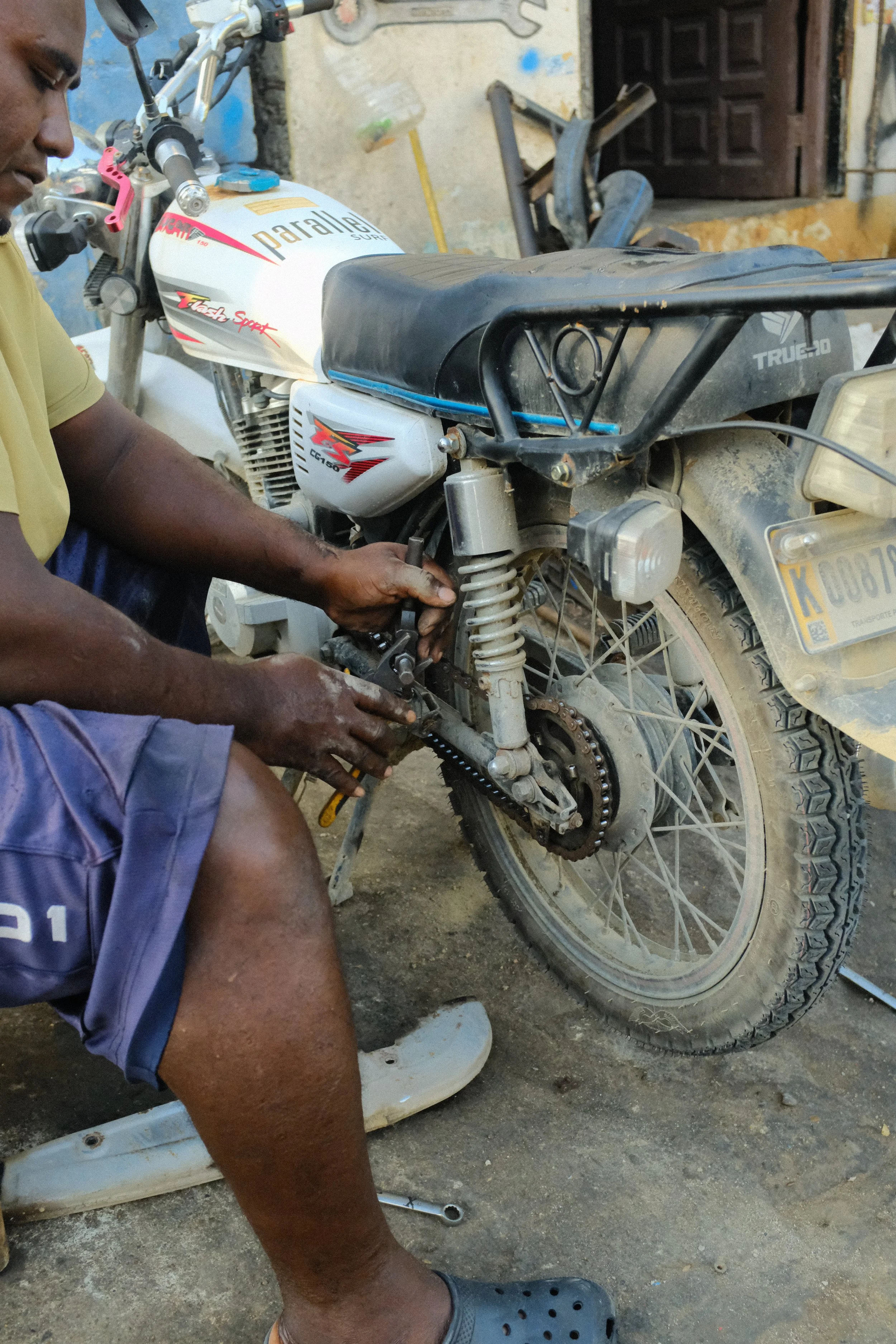
I decide to continue my journey through time by visiting the historical and archaeological museum of La Isabela, which is set to open in a few minutes. But things won’t go as planned. Passing a police station, I go over a speed bump a bit too fast. The jolt causes my chain to slip out of alignment and derail. I can’t move forward, and I don’t have any tools to make repairs. Luckily, the police officer raising the Dominican flag tells me a mechanic is located less than 20 meters away.
It’s not really a garage—more like a small space filled with scrap metal and tools. The mechanic immediately understands why I’m there and gets to work. He notices that the chain tension isn’t properly adjusted and suggests removing two links to prevent the issue from happening again. For 200 pesos (around $3), he fixes everything while chatting with his friends. Once the repairs are done, I can hit the road again, but I have to skip the museum and head straight for Punta Rucia.
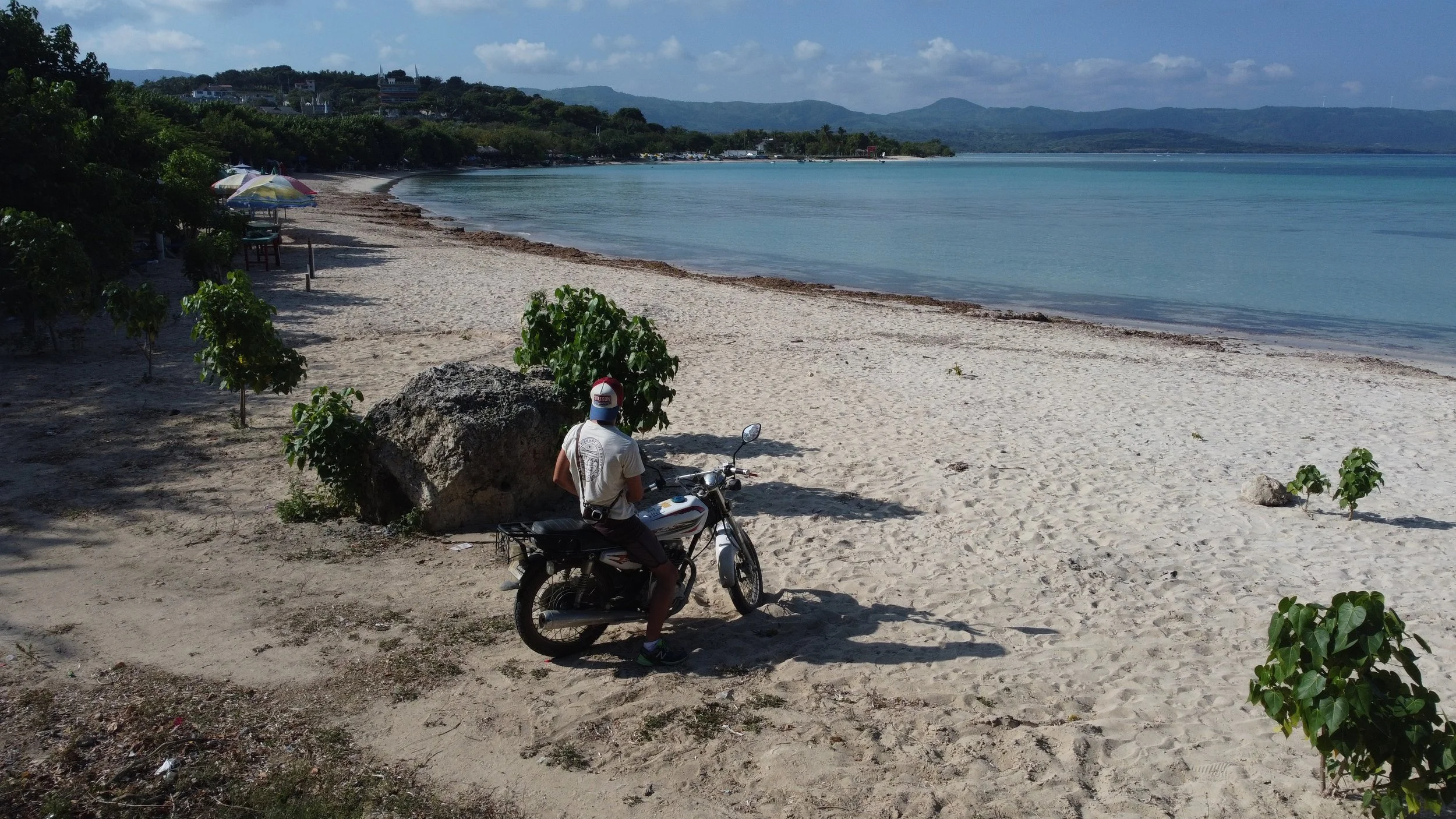
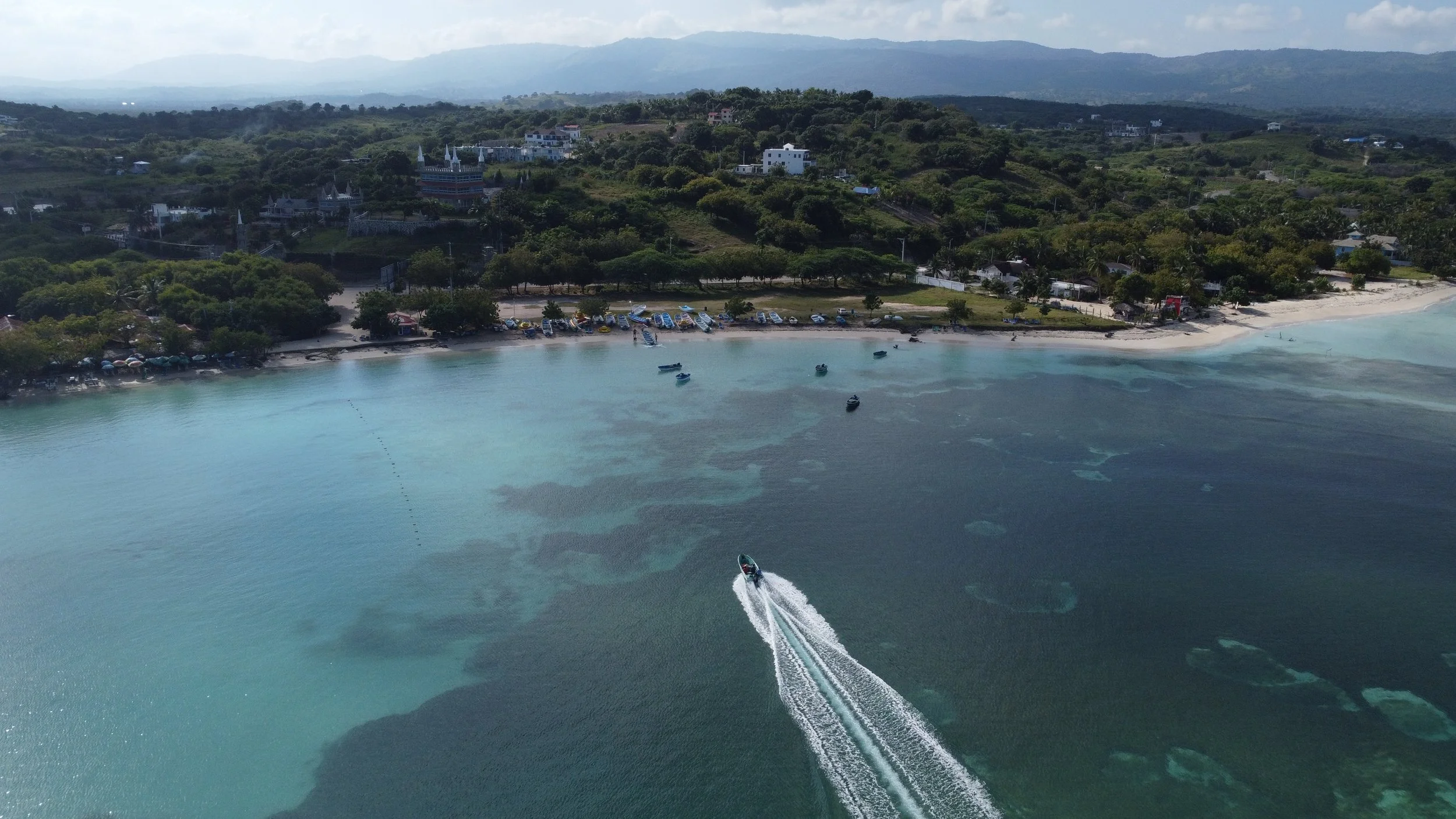
Less crowded than major resort areas, Punta Rucia is a coastal village known mainly as the departure point for boat trips to Cayo Arena, a small sandy islet surrounded by coral reefs. A few years ago, I spent an unforgettable day on this island, peacefully observing marine life. This time, I settle for going to Playa La Ensenada, a popular beach located along a bay.
Nature’s Treasures
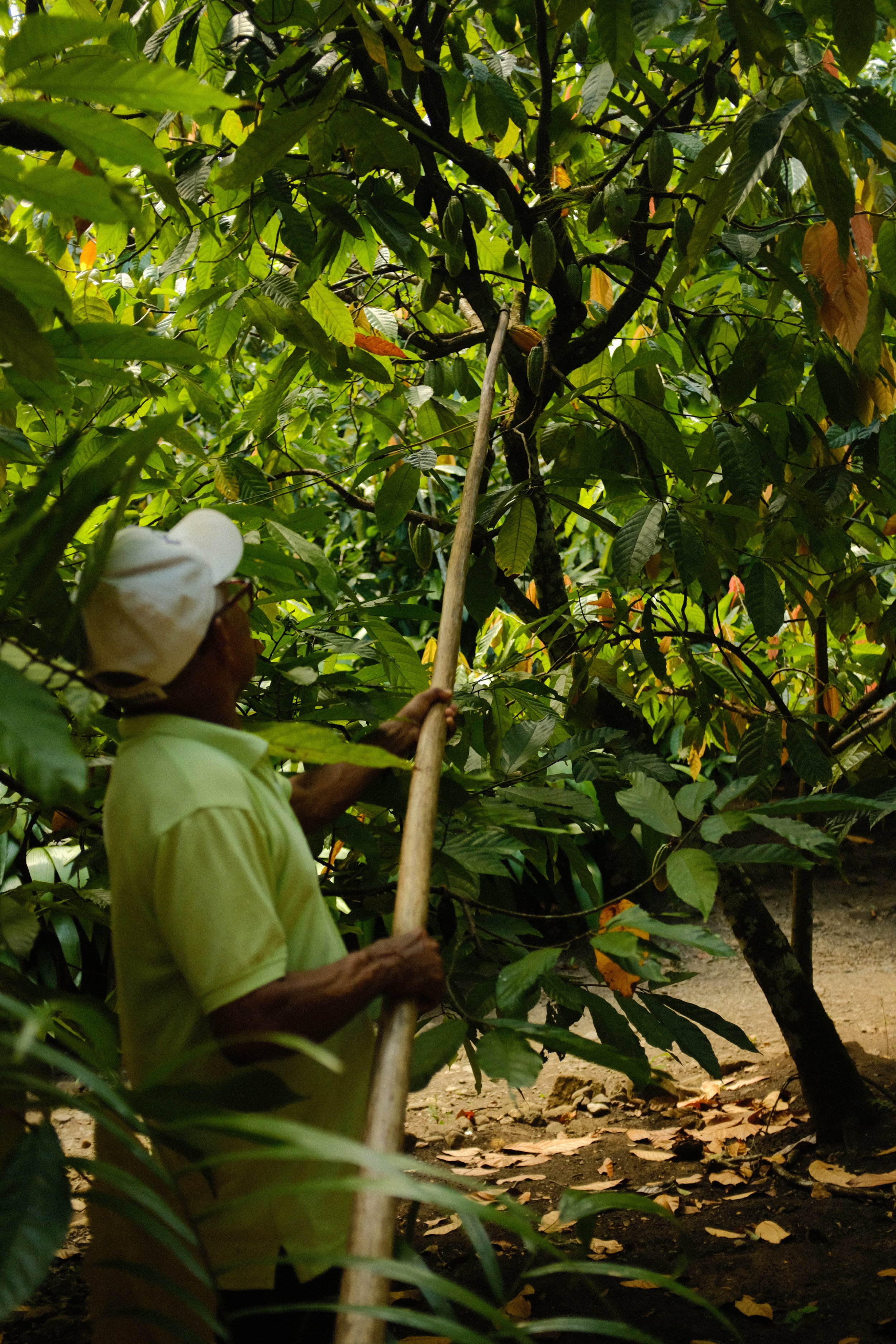
I leave the coastal road and head inland. Near the small village of Guananico, I visit the producer at Hacienda Cufa, who grows 100% organic cacao.
© Sébastien Roux
Cirilio Cufa, one of the founder’s grandsons, welcomes me and takes the time to explain the entire process of making chocolate. He emphasizes one point in particular: Hacienda Cufa never uses chemicals. Cirilio is also proud to host students each year who want to learn about more sustainable agriculture.
After the tour, I head toward another natural treasure: the 27 Waterfalls of Damajagua. I hesitate to go, as the site is one of the most visited in the country. I give in to temptation. As soon as I arrive, I realize how popular the place is by the number of buses parked outside. Several tour options are available; I choose the one covering the first seven waterfalls.
After a 45-minute hike, we reach the first natural slide. Even though it’s a Monday, the place is completely overcrowded, and we must wait several minutes before moving forward. This endless queue reminds me of the traffic jams that now occur at the summit of Everest. I leave disappointed by an activity that lasts three hours but includes only three natural slides and a final jump.
On the way back to Cabarete, I can’t escape heavy traffic in Puerto Plata. Motorcycles are everywhere, weaving through cars. I don’t linger in what is the province’s largest city, choosing instead to stop only in Sosúa, Cabarete’s neighboring town. While Sosúa has several beautiful beaches, it is better known for its sex tourism, with prostitution highly visible in the streets. Another reason brings me here: the Mundo King Museum, a rather unusual place perched atop a hill.
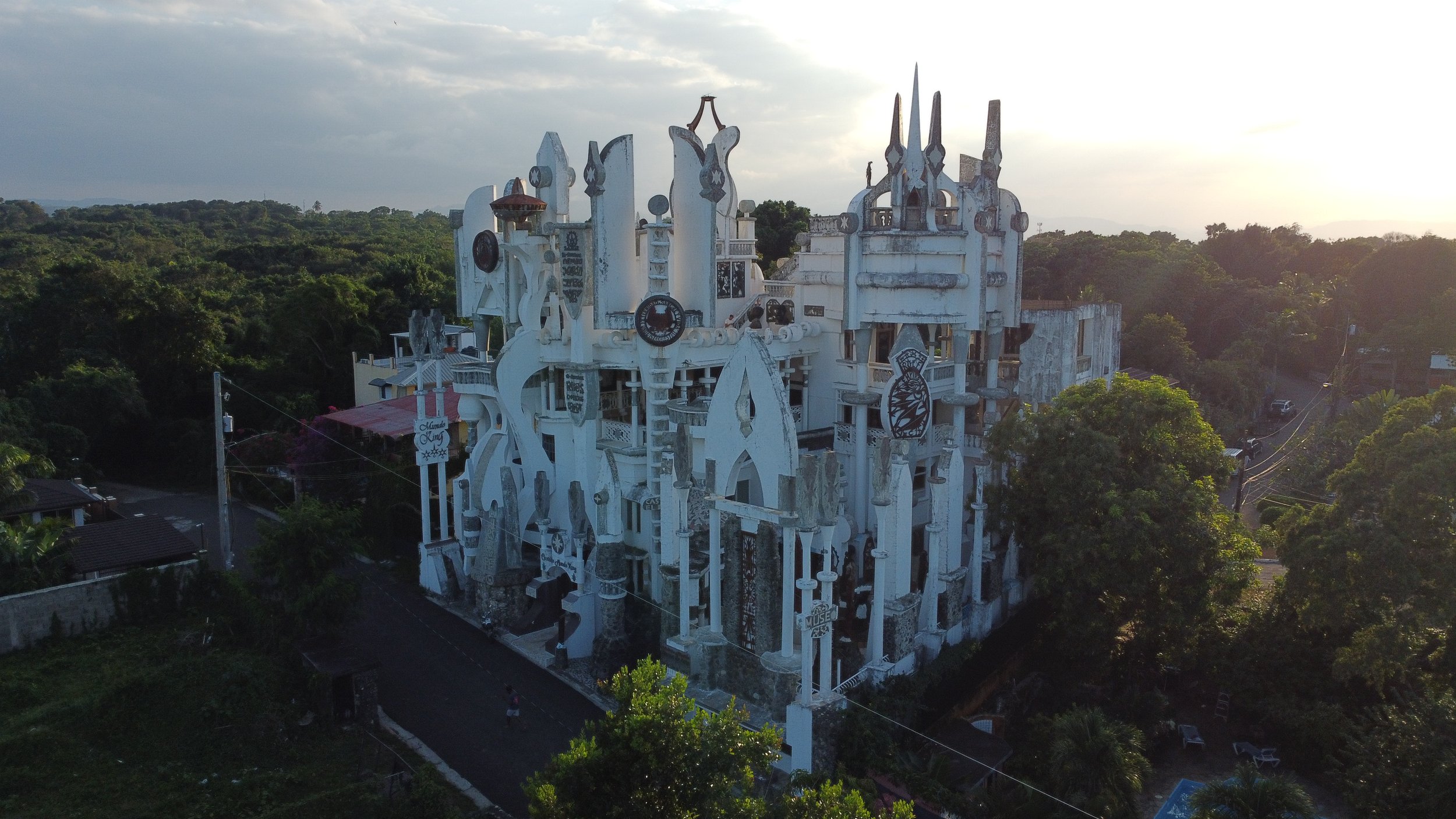
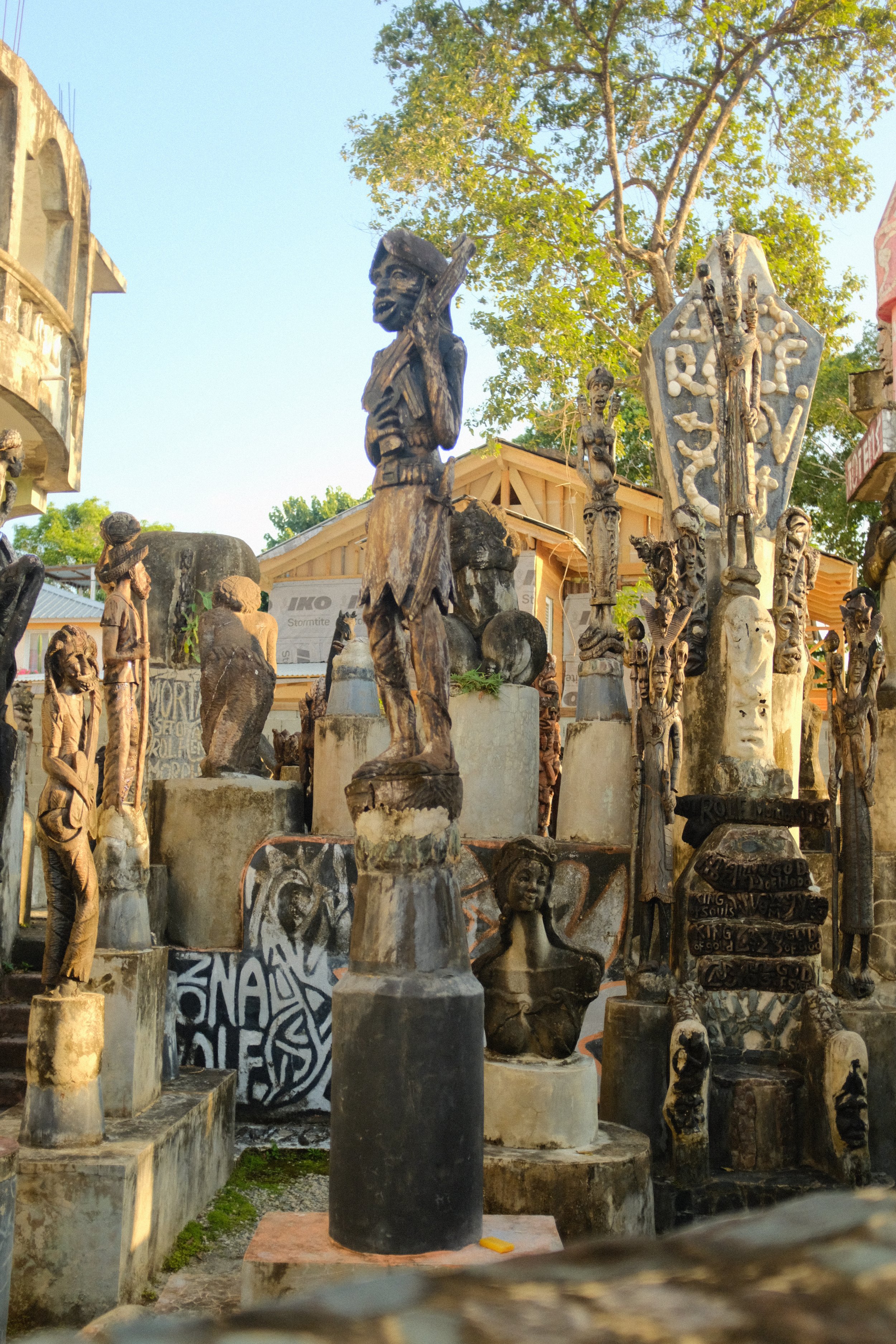
This five-story castle was created by Polish artist Rolf Schultz starting in 1990. The building is a work of art in itself, combining surreal architecture with extraterrestrial inspirations. Fascinated by UFOs, the artist dedicated his life to creating this space, living without electricity or running water until his death in 2018. Today, a Haitian family lives in this eerie setting and determines the entrance fee based on the client’s appearance.
Sébastien Roux
Cover photo © Sébastien Roux
Episode 3 - The Conquistadors of Santiago
Episode 1 - We were only dreaming about freedom
Episode 4 - The treasures and troubles of the Samaná Peninsula

This travel journal was published in issue 88 of Road Trip